3 4 perlite board represents a significant advancement in lightweight construction materials, finding increasing applications across diverse industries. Its unique properties—low density, thermal insulation, and fire resistance—make it a compelling alternative to traditional building materials. Understanding its composition, manufacturing process, and application potential is crucial for architects, engineers, and construction professionals seeking sustainable and cost-effective solutions. The growing demand for eco-friendly building practices further fuels the adoption of 3 4 perlite board globally.
The global construction industry is constantly evolving, driven by factors such as urbanization, population growth, and the need for sustainable infrastructure. 3 4 perlite board addresses key challenges within this landscape, offering a lighter, more energy-efficient building envelope. Its ability to reduce transportation costs and installation time contributes to project efficiency. Moreover, the inherent fire-resistant qualities of this material enhance building safety, a paramount concern in modern construction codes worldwide.
As populations expand and the demand for affordable housing increases, innovative building materials like 3 4 perlite board are becoming essential. They offer a viable pathway to constructing durable, safe, and environmentally responsible structures, particularly in regions with limited resources or challenging climatic conditions. The inherent versatility of 3 4 perlite board extends beyond residential buildings, making it suitable for industrial, commercial, and agricultural applications.
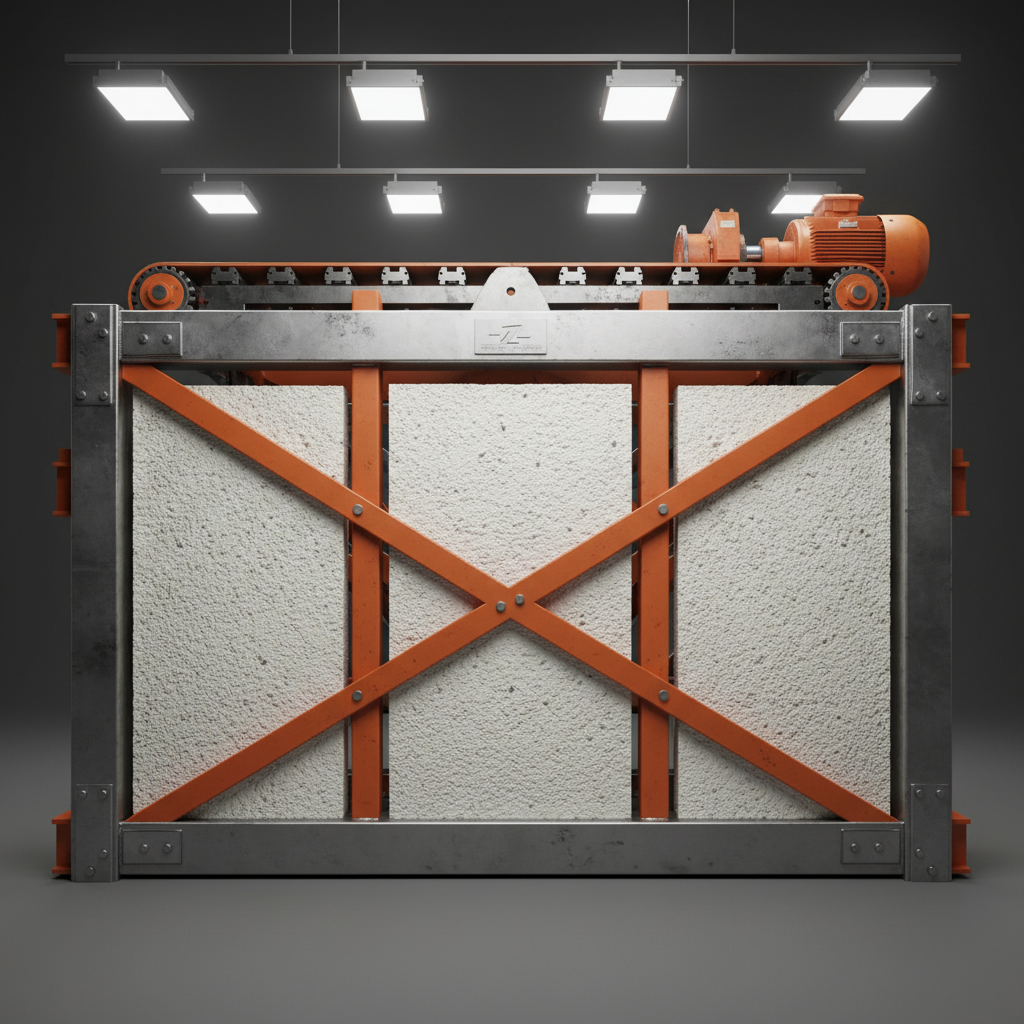
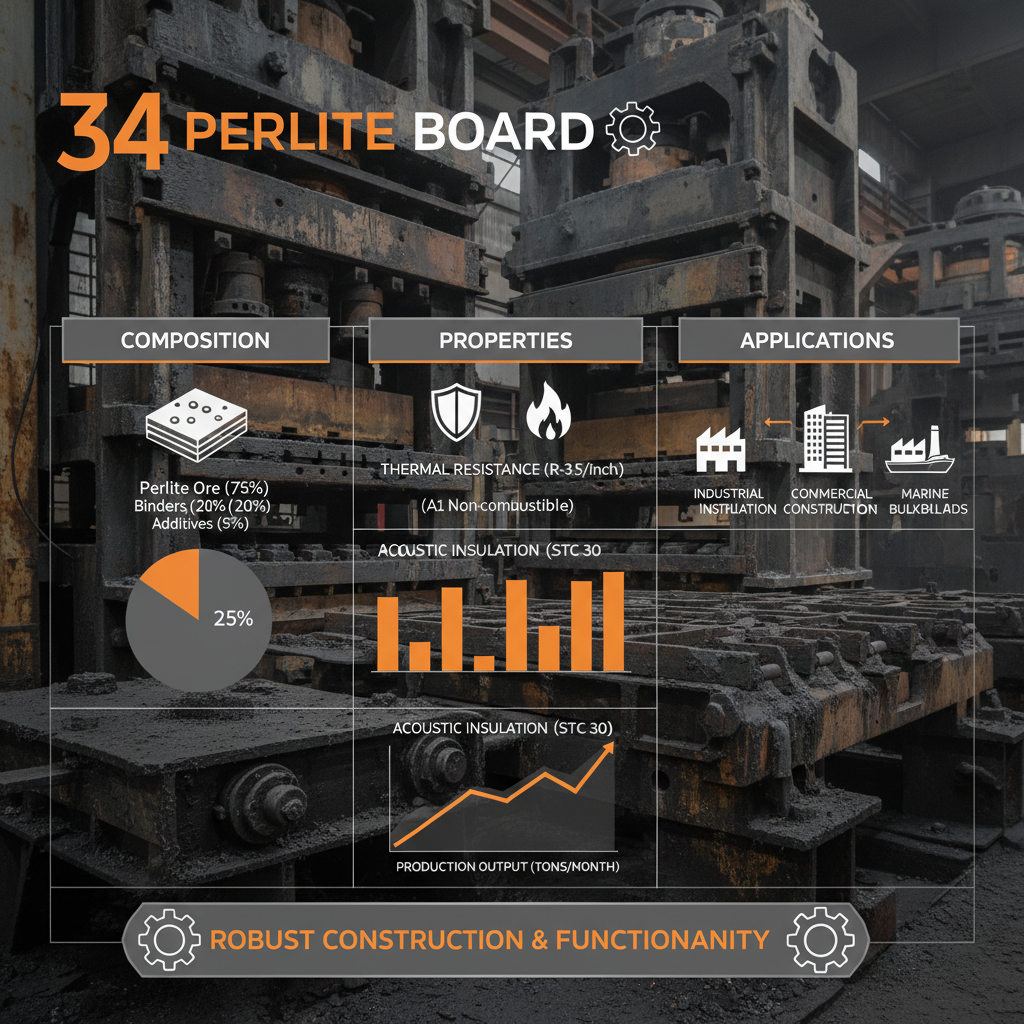
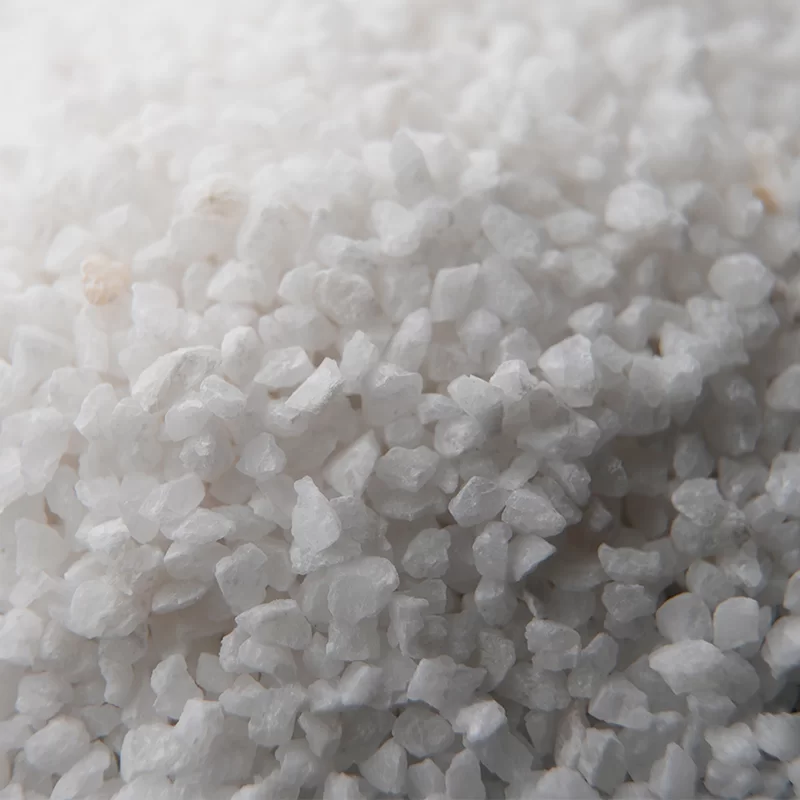
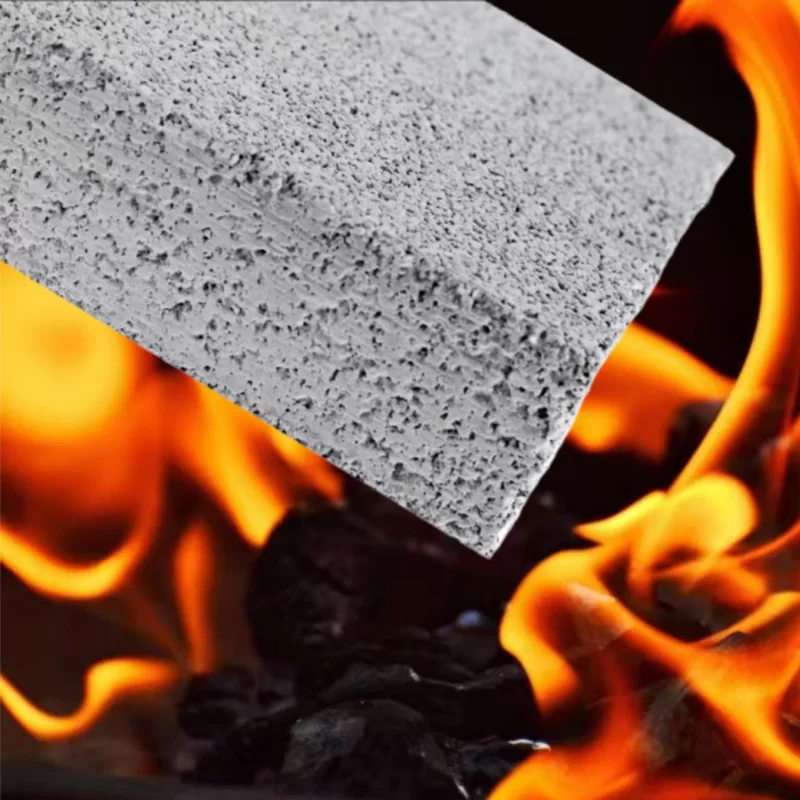
3 4 perlite board is a versatile construction material composed of expanded perlite, a volcanic glass heated to create a lightweight, porous aggregate. This aggregate is then combined with a binding agent, typically cement, to form boards of varying thicknesses and densities. The resulting material offers a unique blend of properties that make it ideal for a wide range of applications.
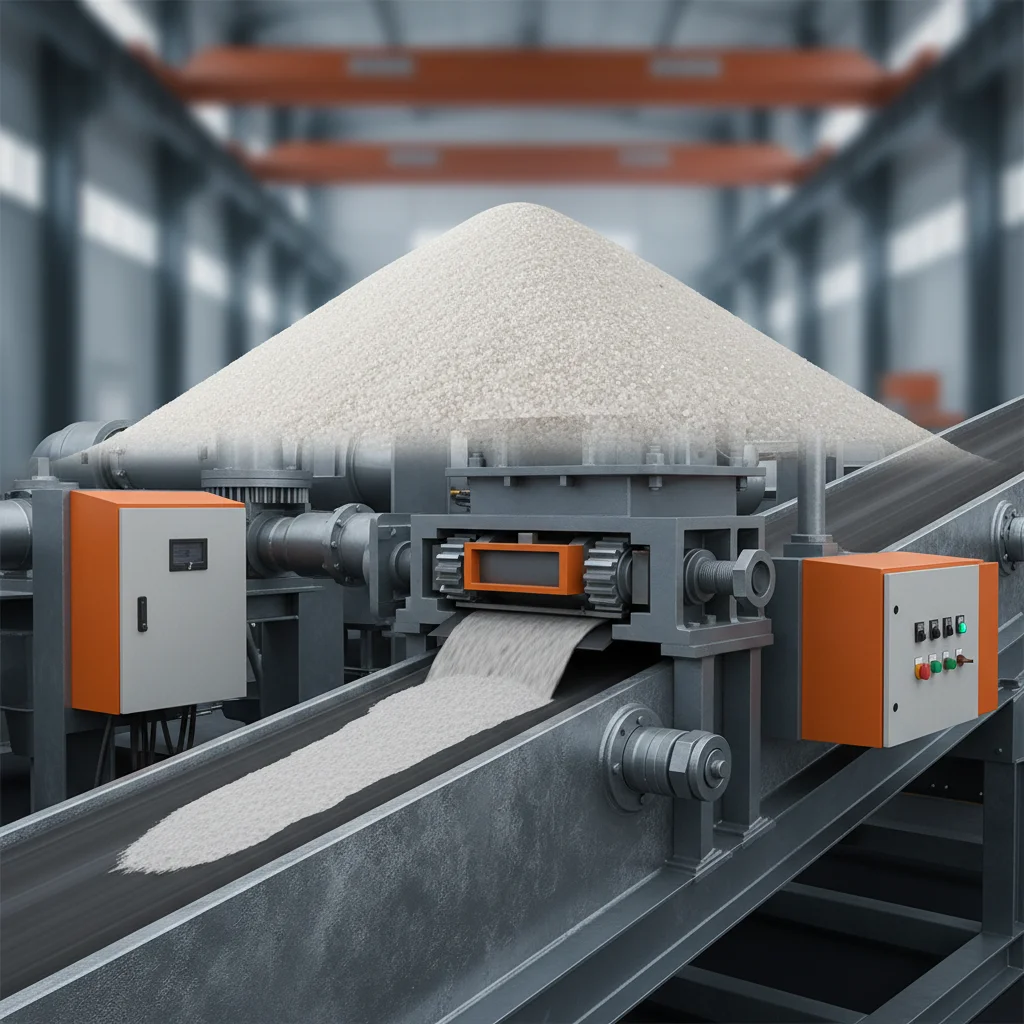
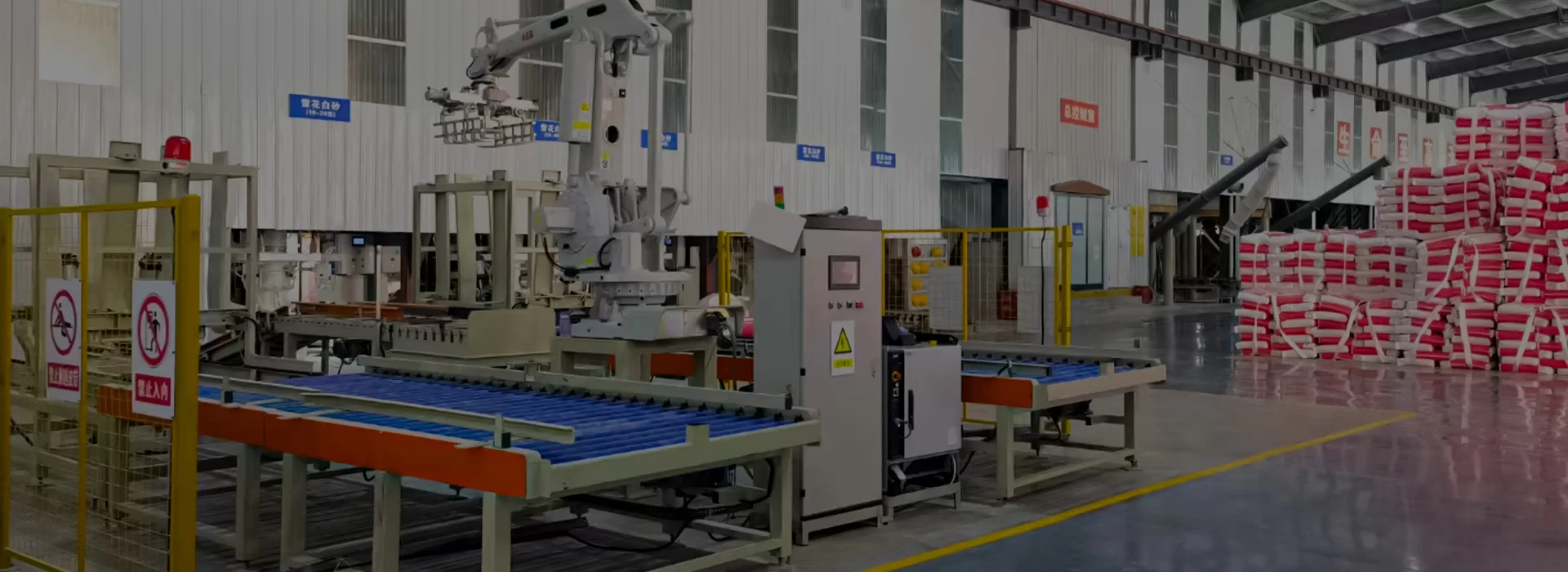
The manufacturing process of 3 4 perlite board is relatively simple and energy-efficient. The expanded perlite's inherent insulating properties contribute to reduced energy consumption during production, aligning with sustainable building practices. The final product is a non-combustible, dimensionally stable, and easy-to-handle material, facilitating efficient construction processes and minimizing waste.
The demand for sustainable building materials is surging globally, driven by increasing environmental awareness and stricter building codes. The United Nations Sustainable Development Goals (SDGs), particularly Goal 11 (Sustainable Cities and Communities), emphasize the need for resilient and resource-efficient infrastructure. 3 4 perlite board contributes directly to these goals by offering a low-carbon alternative to traditional materials like concrete and brick.
The construction industry is a significant contributor to global greenhouse gas emissions, accounting for approximately 40% of annual emissions according to the World Green Building Council. Utilizing materials like 3 4 perlite board, which boasts a lower embodied carbon footprint, is crucial for mitigating climate change. The International Organization for Standardization (ISO) promotes standards for sustainable construction, further accelerating the adoption of eco-friendly materials.
Furthermore, in disaster-prone regions, the need for rapid and resilient construction solutions is paramount. 3 4 perlite board’s inherent fire resistance and lightweight properties make it suitable for emergency shelters and temporary housing, offering a safe and durable alternative to conventional structures in crisis situations. Its ease of handling also reduces labor costs and accelerates construction timelines.
3 4 perlite board is defined as a composite building material primarily composed of expanded perlite and a cementitious binder. The ‘3 4’ typically refers to the board’s nominal thickness in inches, though variations exist. This precise composition creates a material offering excellent thermal insulation, fire resistance, and sound absorption characteristics.
Its connection to modern industry lies in addressing the growing need for lightweight, energy-efficient building components. In a world increasingly focused on sustainable construction and reducing carbon footprints, 3 4 perlite board provides a viable alternative to traditional, more environmentally damaging materials. It facilitates the creation of buildings that are not only structurally sound but also minimize energy consumption over their lifespan.
Humanitarian needs are also met through the use of 3 4 perlite board. Its ease of handling, rapid installation, and inherent fire resistance make it an excellent choice for constructing temporary shelters, schools, and medical facilities in disaster-stricken areas or regions with limited resources, offering a safe and dignified living environment.
The most prominent characteristic of 3 4 perlite board is its lightweight nature. This significantly reduces structural loads, enabling cost savings in foundation and framing requirements. Its low density also simplifies handling and installation, reducing labor costs and project timelines.
Secondly, 3 4 perlite board exhibits exceptional thermal insulation. Its porous structure effectively traps air, minimizing heat transfer and reducing energy consumption for heating and cooling. This leads to lower utility bills and a more comfortable indoor environment.
In post-disaster relief operations, 3 4 perlite board is rapidly deployed to construct temporary shelters, schools, and medical facilities. Its fire resistance is particularly crucial in these situations, ensuring the safety of affected populations. Organizations like the Red Cross have utilized this material in various emergency response scenarios.
In remote industrial zones, where access to traditional building materials is limited and transportation costs are high, 3 4 perlite board offers a practical and cost-effective solution for constructing warehouses, workshops, and staff accommodation. Its lightweight nature reduces the logistical challenges associated with transportation to these areas.
The cost-effectiveness of 3 4 perlite board stems from its lightweight nature, reducing transportation and structural support requirements. Its inherent durability minimizes maintenance and repair costs over the building’s lifespan. Moreover, the reduced energy consumption achieved through its thermal insulation translates into long-term savings on utility bills.
From a sustainability perspective, 3 4 perlite board contributes to a reduced carbon footprint through its lower embodied energy and use of a naturally occurring material. This aligns with growing consumer demand for eco-friendly building practices and enhances a project’s environmental credentials. The emotional benefit of providing safe, comfortable, and sustainable living spaces should not be overlooked.
Future innovations in 3 4 perlite board manufacturing are focusing on incorporating recycled materials and developing bio-based binders to further enhance its sustainability. Research is also underway to improve its structural performance and explore new applications in high-rise construction. The integration of smart technologies, such as sensors embedded within the board, could also provide real-time monitoring of building performance.
One challenge lies in increasing public awareness and acceptance of 3 4 perlite board as a viable building material. Overcoming misconceptions about its durability and performance requires comprehensive education and demonstration projects. Another challenge is ensuring consistent quality control throughout the manufacturing process to maintain the material’s reliability and performance standards.
Digital transformation and automation in manufacturing processes will be key to scaling up production and reducing costs, making 3 4 perlite board more accessible to a wider range of projects. Embracing these advancements will be crucial for unlocking the full potential of this innovative building material.
| Factor | Impact Level (1-10) | Mitigation Strategies | Long-Term Outlook |
|---|---|---|---|
| Cost Competitiveness | 7 | Streamline production, explore local sourcing | Positive, with economies of scale |
| Building Code Acceptance | 6 | Lobbying, demonstration projects, standardized testing | Improving, but requires continuous effort |
| Public Perception | 5 | Educational campaigns, showcasing successful projects | Gradually improving with increased awareness |
| Supply Chain Reliability | 8 | Diversify sourcing, establish long-term contracts | Strong, with access to abundant perlite resources |
| Technical Expertise | 4 | Training programs for architects and builders | Needs improvement, requires investment in skills development |
| Environmental Regulations | 9 | Highlight eco-friendly attributes, comply with standards | Highly favorable, aligning with sustainability goals |
3 4 perlite board offers several key advantages over concrete blocks, including significantly lower weight, superior thermal insulation, and enhanced fire resistance. Its lightweight nature reduces structural load and transportation costs, while its insulating properties minimize energy consumption. Being non-combustible, it significantly improves building safety. These benefits collectively contribute to a more sustainable and cost-effective construction process.
3 4 perlite board exhibits good sound absorption characteristics due to its porous structure. While not as effective as specialized acoustic panels, it noticeably reduces sound transmission compared to many traditional building materials. This makes it a suitable choice for applications where moderate soundproofing is required, such as interior walls and partitions, creating a quieter and more comfortable indoor environment.
While 3 4 perlite board is not inherently waterproof, it exhibits good resistance to moisture penetration. However, prolonged exposure to direct water contact should be avoided. Applying a protective coating or sealant can enhance its water resistance. Additionally, the material does not support mold growth due to its inorganic composition, making it a healthier building material compared to some organic alternatives.
The lifespan of a building constructed with 3 4 perlite board is comparable to that of buildings constructed with conventional materials, typically exceeding 50 years with proper maintenance. The material is dimensionally stable and resistant to degradation, ensuring long-term structural integrity. Regular inspections and upkeep, such as addressing any cracks or applying protective coatings, will further extend its service life.
The manufacturing process of 3 4 perlite board is relatively environmentally friendly compared to many other building materials. It requires less energy than cement production and utilizes a naturally occurring volcanic glass. Furthermore, the material itself is non-toxic and recyclable, minimizing its environmental impact throughout its lifecycle. Efforts are continuously being made to incorporate recycled materials and bio-based binders into the production process.
Building codes and regulations regarding 3 4 perlite board vary depending on the location. It’s crucial to consult local building authorities to ensure compliance. In many regions, 3 4 perlite board is approved for various applications, including wall cladding, roofing, and insulation. Demonstration projects and standardized testing are helping to expand its acceptance in building codes globally.
3 4 perlite board represents a compelling solution to the evolving challenges within the construction industry. Its unique combination of lightweight properties, thermal insulation, fire resistance, and sustainability makes it an increasingly attractive alternative to traditional building materials. By embracing this innovative material, architects, engineers, and builders can create structures that are not only durable and cost-effective but also environmentally responsible.
Looking ahead, continued research and development will unlock even greater potential for 3 4 perlite board, expanding its applications and enhancing its performance. Investing in education, standardization, and supply chain optimization will be crucial for driving wider adoption. Visit our website at www.cnfloormaterials.com to learn more about how 3 4 perlite board can revolutionize your next construction project.
If you are interested in our products, you can choose to leave your information here, and we will be in touch with you shortly.