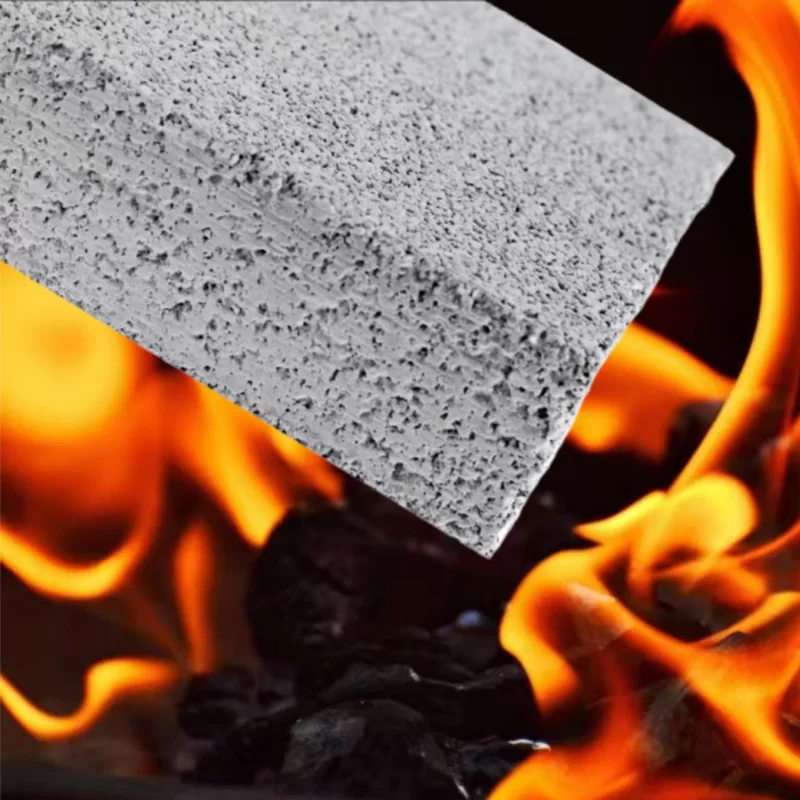
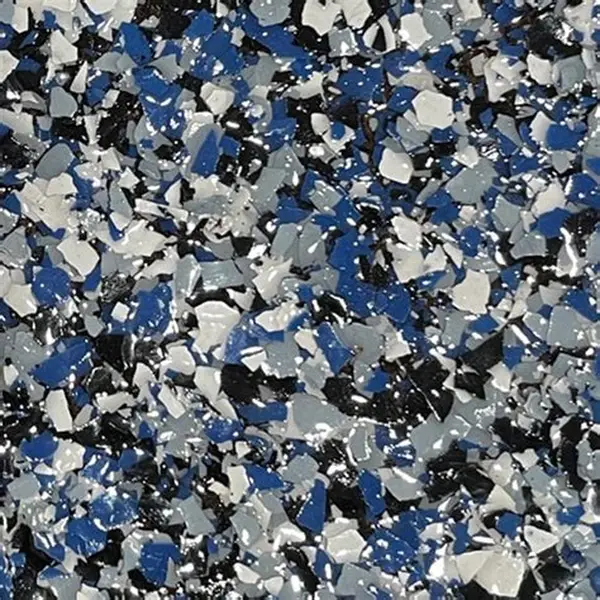
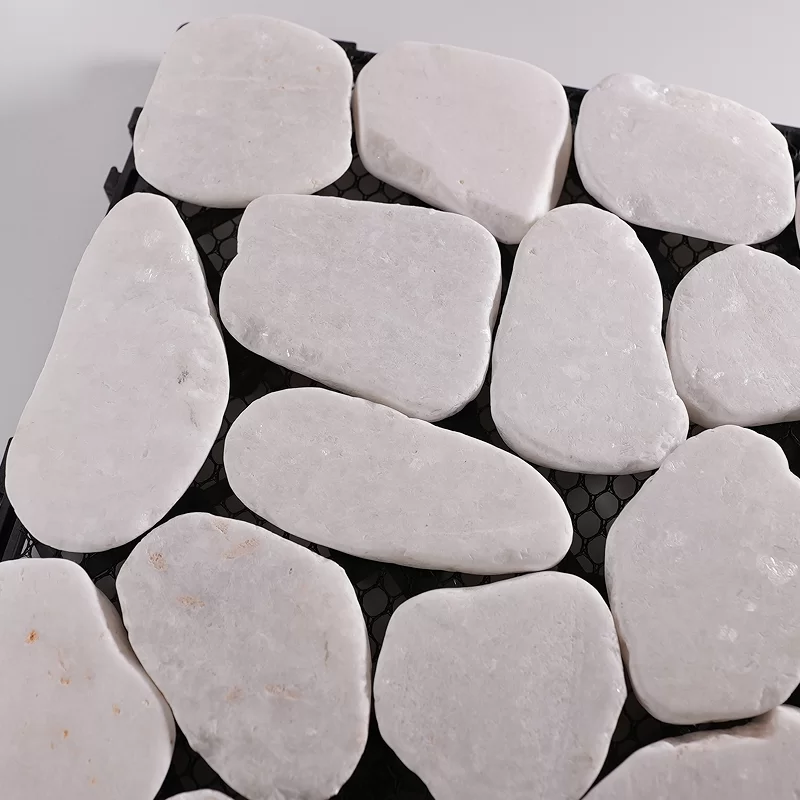
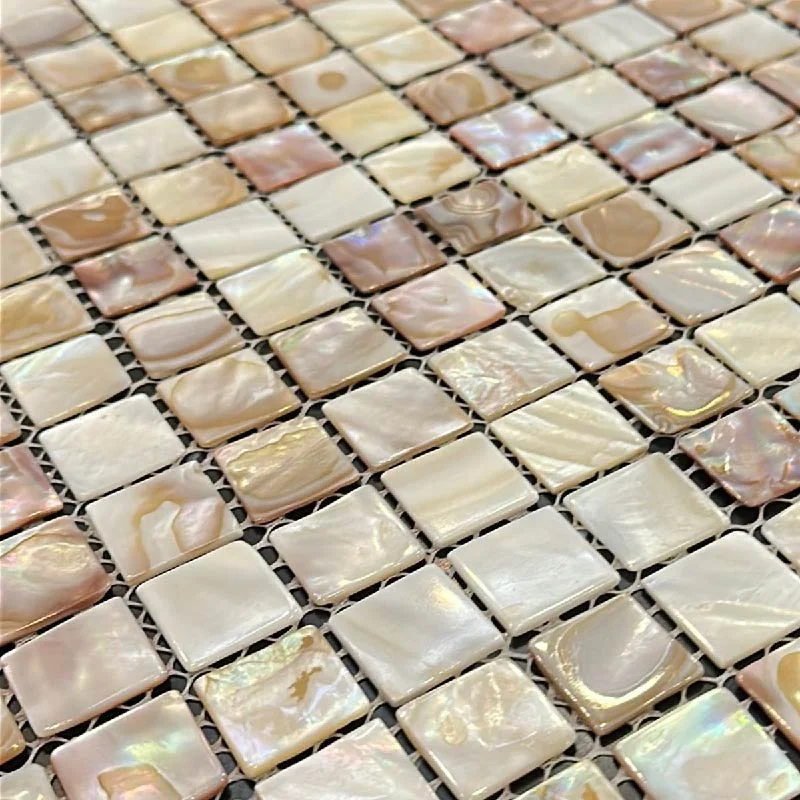
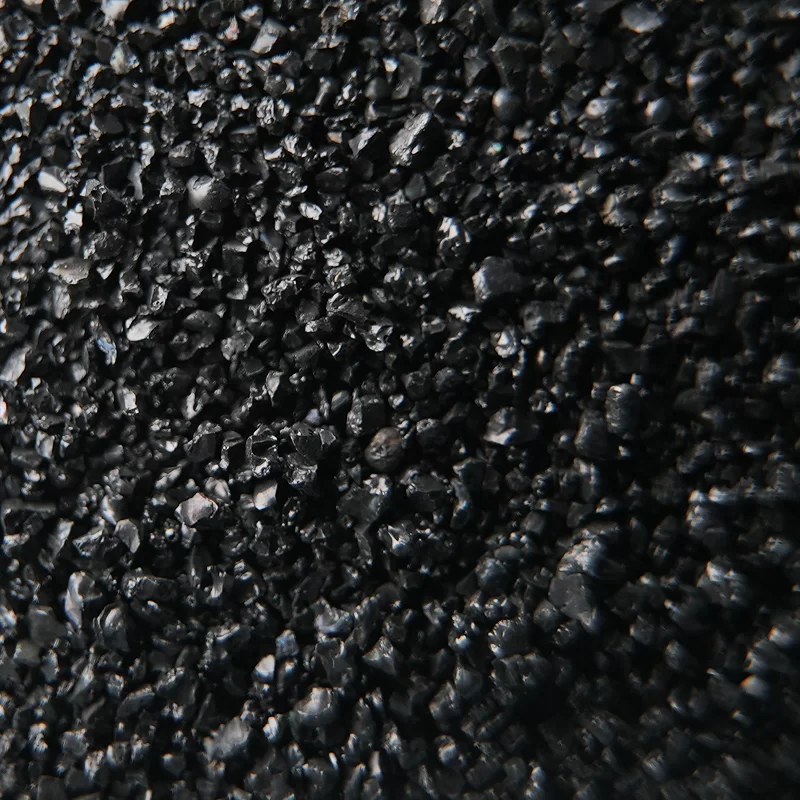
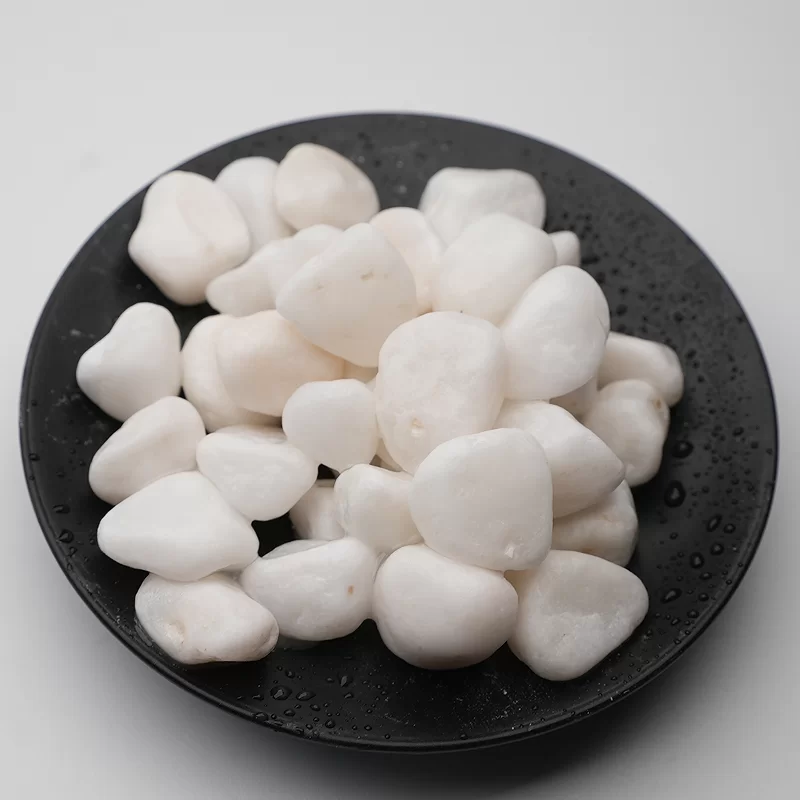
Gold sand quartz, a fascinating combination of materials, holds a significant place in both industrial applications and aesthetic design. Its unique properties stemming from the quartz component, coupled with the visual appeal of sand-like grains, make it a versatile material across diverse sectors. This article delves into the intricacies of gold sand quartz, exploring its definition, key attributes, global applications, and future prospects. Understanding this material is crucial for professionals in construction, manufacturing, and design, enabling them to leverage its benefits effectively.
Globally, the demand for high-quality industrial minerals like gold sand quartz is steadily increasing, driven by rapid urbanization and infrastructure development, particularly in emerging economies. According to data from the United Nations Statistics Division, the global construction industry is projected to reach $18 trillion by 2030, fueling the need for materials like quartz sand for concrete production, glass manufacturing, and decorative applications. However, sustainable sourcing and environmental impact remain significant challenges requiring innovative solutions and responsible mining practices.
Gold sand quartz, in its essence, is a composition primarily of quartz (silicon dioxide - SiO2) with varying amounts of other minerals and often a golden hue derived from iron oxide coatings. This blend delivers a unique aesthetic and functional profile. It's more than just a pretty material; it plays a vital role in everything from providing durable surfaces to serving as a crucial component in specialized industrial processes. This makes gold sand quartz essential in meeting modern industry and even humanitarian needs related to construction and material science.

The Significance of Gold Sand Quartz
Gold sand quartz stands out as a uniquely versatile material, bridging the gap between aesthetic appeal and robust industrial functionality. Its rising prominence is driven by its adaptability across diverse applications, from architectural finishes to advanced manufacturing processes. This material isn’t merely a component; it’s an enabler for innovation and sustainability in multiple sectors.
The increasing demand for eco-friendly and sustainable building materials is further propelling the adoption of gold sand quartz. Its natural origins and relative durability position it as a responsible alternative to synthetic materials, appealing to environmentally conscious consumers and construction professionals alike. gold sand quartz offers a compelling blend of performance and environmental responsibility.
Defining Gold Sand Quartz
At its core, gold sand quartz refers to a naturally occurring material consisting predominantly of quartz grains, often exhibiting a golden coloration due to the presence of iron oxide coatings. This iron oxide imparts not only the attractive hue but also influences certain physical properties, such as slightly increased density compared to pure quartz. It's important to note that the proportion of iron oxides and other trace minerals can vary significantly depending on the geological source.
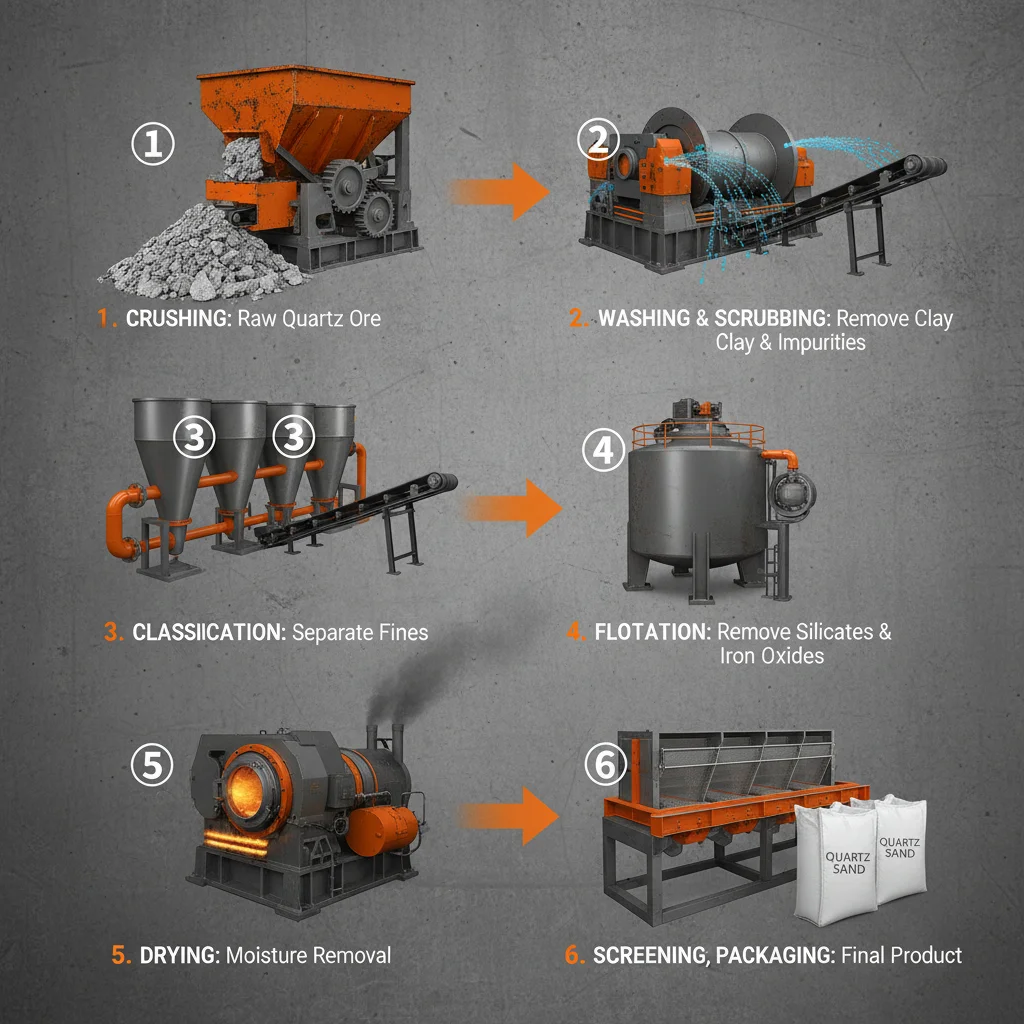
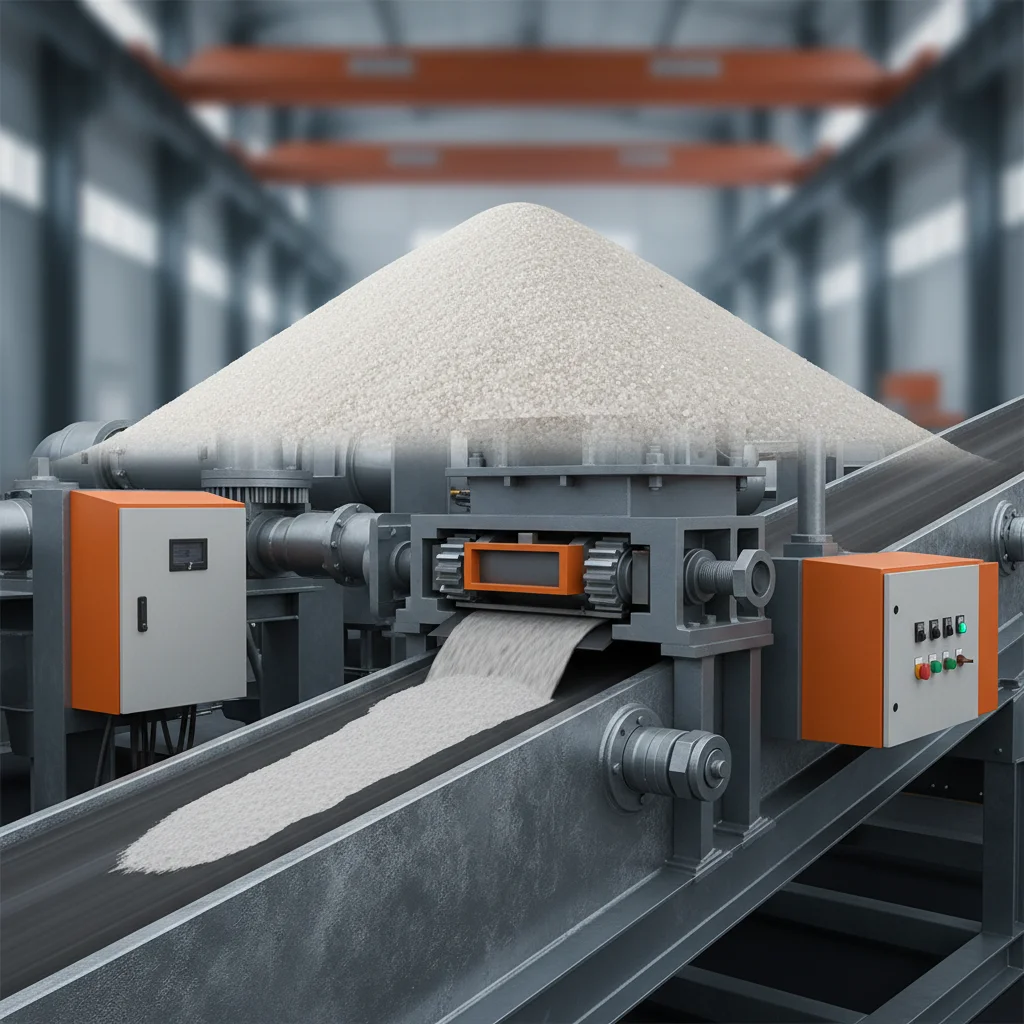
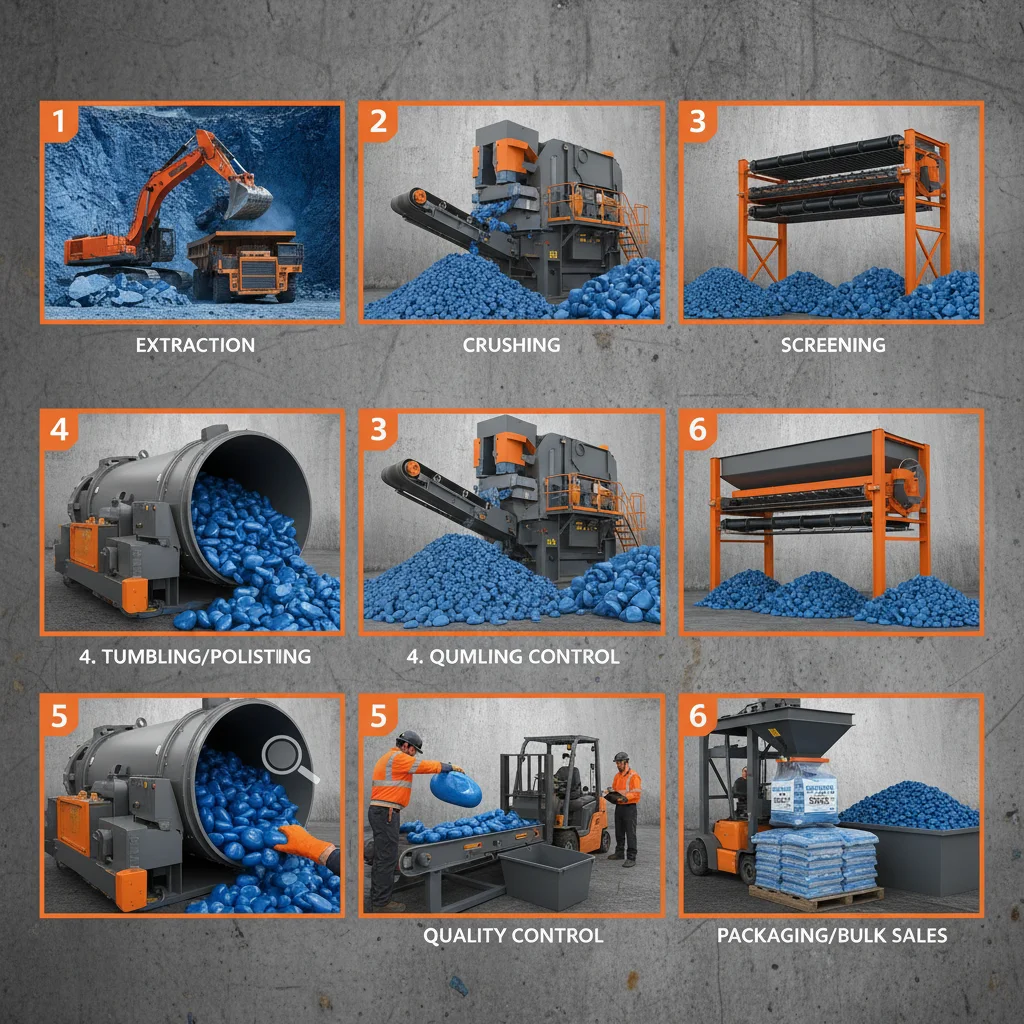
The material is typically produced through mining, followed by crushing, washing, and sieving processes to achieve desired grain sizes and purity levels. The final product is then categorized based on its composition, grain size distribution, and color intensity. This defines its suitability for specific applications, from decorative landscaping to demanding industrial requirements.
The connection to modern industry lies in its adaptability and functionality. Gold sand quartz serves as a vital component in various applications, from the production of high-performance concrete to creating aesthetically pleasing decorative elements. Its use extends beyond aesthetics, playing a crucial role in filtration systems, surface coatings, and even specialized industrial processes, demonstrating its connection to humanitarian needs through improved infrastructure and material solutions.
Key Characteristics of Gold Sand Quartz
Durability is a defining characteristic of gold sand quartz. Quartz, with a Mohs hardness of 7, is remarkably resistant to abrasion, chemical attack, and weathering. This inherent robustness ensures longevity and reduces the need for frequent replacements, making it a cost-effective long-term solution.
Chemical Inertness is also critical. Gold sand quartz is largely non-reactive, resisting degradation from most acids and alkalis. This stability is crucial in applications where exposure to corrosive substances is inevitable, such as in certain industrial filtration systems or surface treatments.
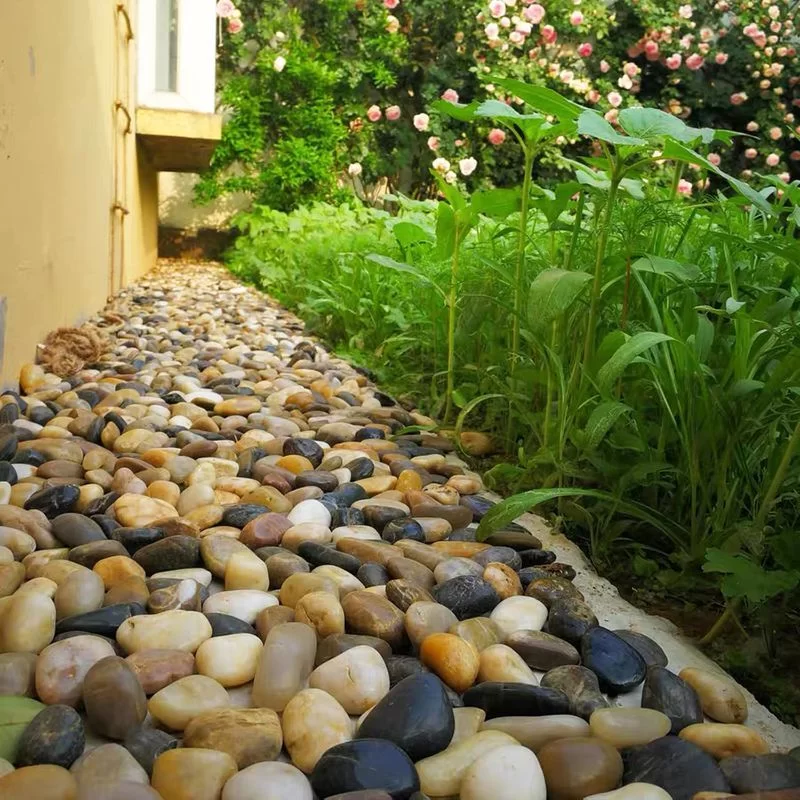
Aesthetic Appeal plays a key role, particularly in decorative applications. The golden hue and naturally occurring variations in grain size and shape create a visually appealing texture, making it ideal for landscaping, decorative concrete, and artistic installations. The natural beauty of gold sand quartz enhances the overall aesthetic quality of any project.
Industrial Applications of Gold Sand Quartz
Gold sand quartz is extensively utilized in the construction industry as a key component in concrete mixes, providing strength, durability, and workability. Its angular shape and high compressive strength contribute to the overall structural integrity of concrete structures.
Beyond construction, gold sand quartz serves as a vital filtration medium in water treatment plants and industrial processes, effectively removing impurities and contaminants. Its inert nature and consistent particle size ensure efficient filtration without introducing unwanted chemicals.
Gold Sand Quartz Application Breakdown
Global Use Cases and Regional Impacts
In the United States, gold sand quartz is primarily utilized in the construction of residential and commercial buildings, as well as in the production of specialized glass products. The robust infrastructure development in states like Texas and Florida drives substantial demand.
Across Europe, particularly in Germany and the United Kingdom, gold sand quartz finds applications in both construction and environmental remediation. Its use in water filtration systems and landscaping projects reflects a growing emphasis on sustainable practices. gold sand quartz’s role in these endeavors is increasingly vital.
Advantages and Long-Term Value Proposition
The cost-effectiveness of gold sand quartz is a significant advantage. Its abundance and relatively simple extraction process contribute to a competitive pricing structure, making it an attractive option for budget-conscious projects. The low cost of sourcing gold sand quartz compared to alternatives presents an economic advantage.
Furthermore, its sustainability profile is increasingly important. Sourced responsibly, gold sand quartz represents a natural and renewable resource, reducing reliance on synthetic materials and minimizing environmental impact. The use of sustainable materials enhances project sustainability and aligns with green building initiatives.
The long-term reliability and durability offered by gold sand quartz translate into reduced maintenance costs and extended product lifecycles. This inherent longevity provides a strong return on investment and contributes to a more sustainable and resilient infrastructure.
Future Trends and Innovation in Gold Sand Quartz
The development of advanced processing techniques is enabling the production of gold sand quartz with increasingly refined grain size distributions and purity levels, expanding its applications in specialized industries like microelectronics and high-performance coatings.
Researchers are exploring the potential of modifying the surface properties of gold sand quartz through chemical treatments to enhance its performance in specific applications, such as improving its adhesion to polymers or increasing its reactivity in catalytic processes.
There’s growing interest in utilizing gold sand quartz in conjunction with recycled materials, creating composite materials with enhanced properties and reduced environmental impact. These innovations showcase a commitment to sustainable solutions within the gold sand quartz industry.
Key Analysis Parameters for Gold Sand Quartz Quality
| Grain Size Distribution |
Iron Oxide Content (%) |
Mohs Hardness |
Bulk Density (g/cm³) |
| Percentage of grains within specific size ranges (e.g., 0.2-0.5mm) |
Concentration of iron oxides influencing color and density |
Resistance to scratching and abrasion (typically 7 for quartz) |
Mass per unit volume, impacting material handling and load-bearing capacity |
| Fine: 60%, Medium: 30%, Coarse: 10% |
1.5% - 3.0% |
7 |
2.65 |
| Fine: 40%, Medium: 45%, Coarse: 15% |
0.8% - 1.8% |
7 |
2.70 |
| Uniform distribution for filtration applications |
High content for vibrant color in decorative applications |
Consistent measurement for quality control |
Critical for determining material weight and stability |
| Wide range for construction and landscaping use. |
Minimal content for specialized industrial needs. |
Assessed for ensuring material integrity. |
Important for determining material flow. |
| Particle size analysis using sieve methods. |
Spectrophotometric analysis for accurate measurement. |
Scratch testing using Mohs scale. |
Pycnometer method for accurate measurement. |
FAQS
Gold sand quartz is primarily used as a component in concrete mixtures to improve strength and durability. It is also used in the production of asphalt, contributing to the stability and longevity of road surfaces. Furthermore, it’s found in certain types of specialized mortars and grouts, providing enhanced performance characteristics in various construction applications.
The iron oxide content influences the color, ranging from pale yellow to deep gold, and slightly increases the material’s density. While generally inert, higher iron oxide levels can subtly affect chemical reactivity in specific applications. The visual appeal from the iron oxide is also a primary driver of demand in decorative applications.
When sourced responsibly, gold sand quartz is considered a relatively sustainable material due to its natural abundance. Sustainable mining practices, including land reclamation and water conservation, are crucial to minimizing environmental impact. Its durability also reduces the need for frequent replacements, furthering its sustainable profile.
Grain size distributions vary depending on the intended application. Common ranges include fine (0.2-0.5mm), medium (0.5-1.0mm), and coarse (1.0-2.0mm). Specific applications may require custom blends of these sizes to achieve optimal performance characteristics. This control is key to ensuring suitability across diverse industries.
Quartz, with a Mohs hardness of 7, is a relatively hard mineral, surpassing many commonly used industrial materials. This hardness contributes to its resistance to abrasion and wear, making it ideal for applications requiring long-term durability. Its resilience makes it a superior choice in many demanding environments.
Quality control measures include particle size analysis using sieve tests, spectrophotometric analysis of iron oxide content, and Mohs hardness testing. Regular inspections and adherence to industry standards (like ISO certifications) ensure consistent quality and compliance with customer specifications.
Conclusion
In conclusion, gold sand quartz presents a compelling blend of aesthetic appeal, industrial functionality, and long-term value. Its durability, chemical inertness, and versatility make it an invaluable component across diverse sectors, including construction, filtration, and decorative design. As demand for sustainable and high-performance materials continues to rise, gold sand quartz is poised to play an increasingly important role.
Looking ahead, continued innovation in processing techniques and a commitment to responsible sourcing will be crucial to unlocking the full potential of this remarkable material. We encourage you to explore the possibilities of gold sand quartz for your next project. Visit our website at www.cnfloormaterials.com to learn more and discover how we can help you leverage the benefits of this exceptional resource.