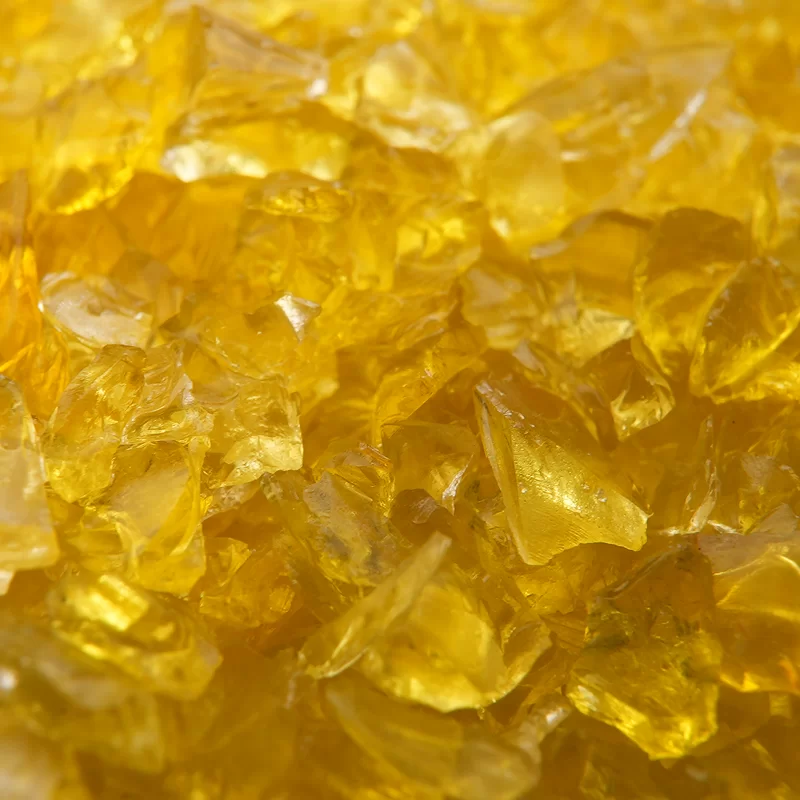
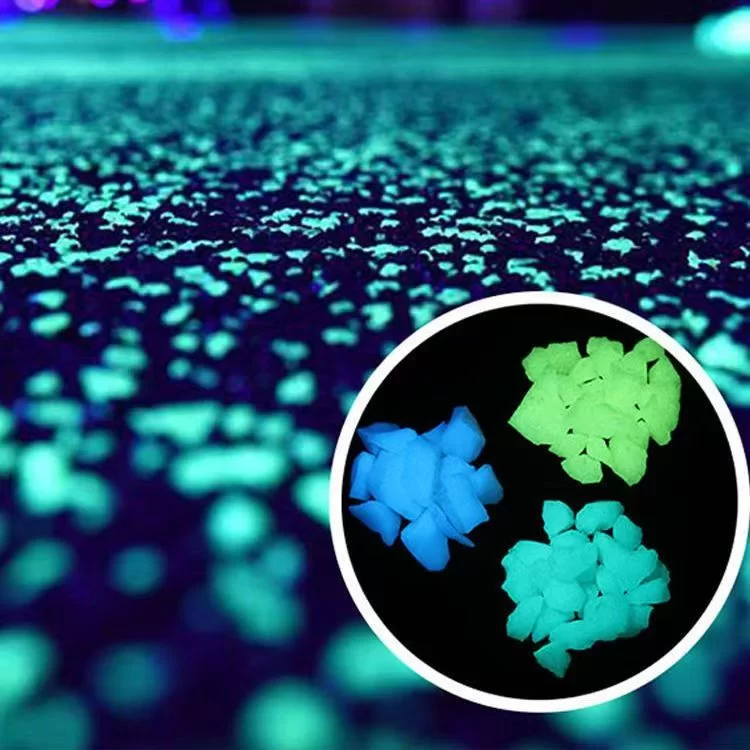
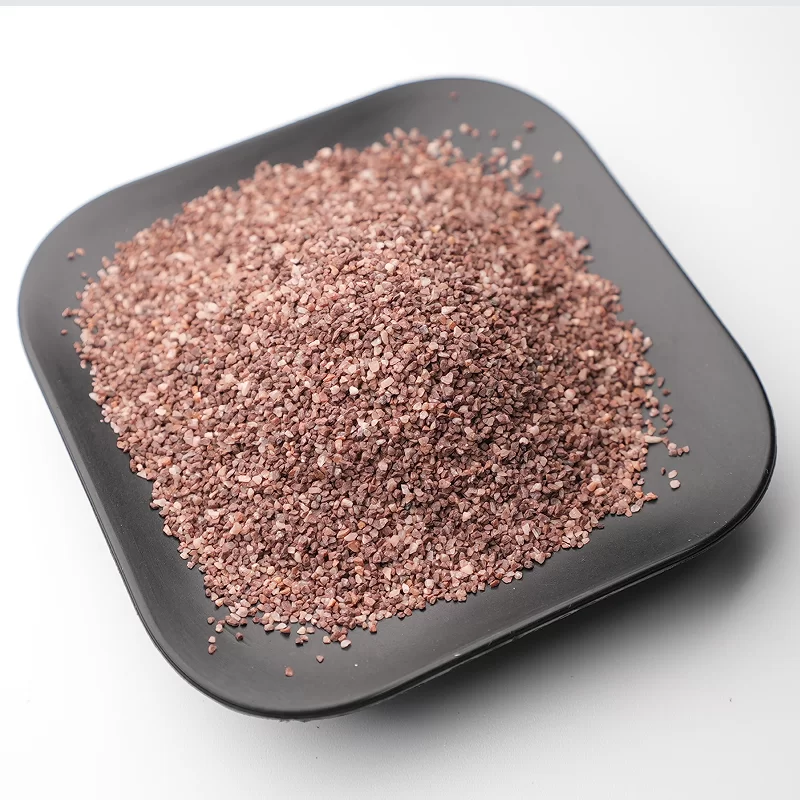
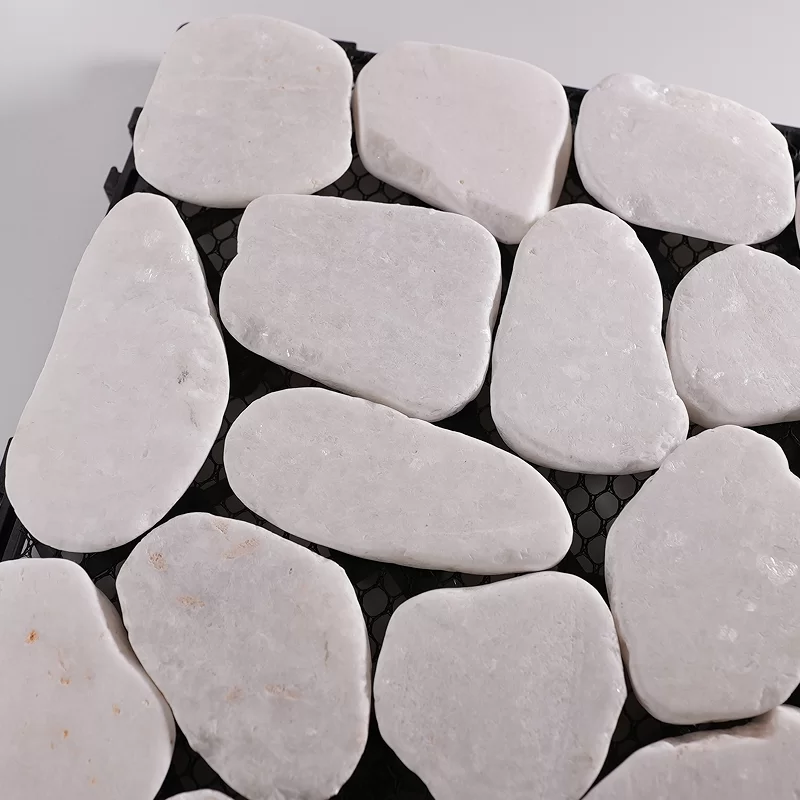
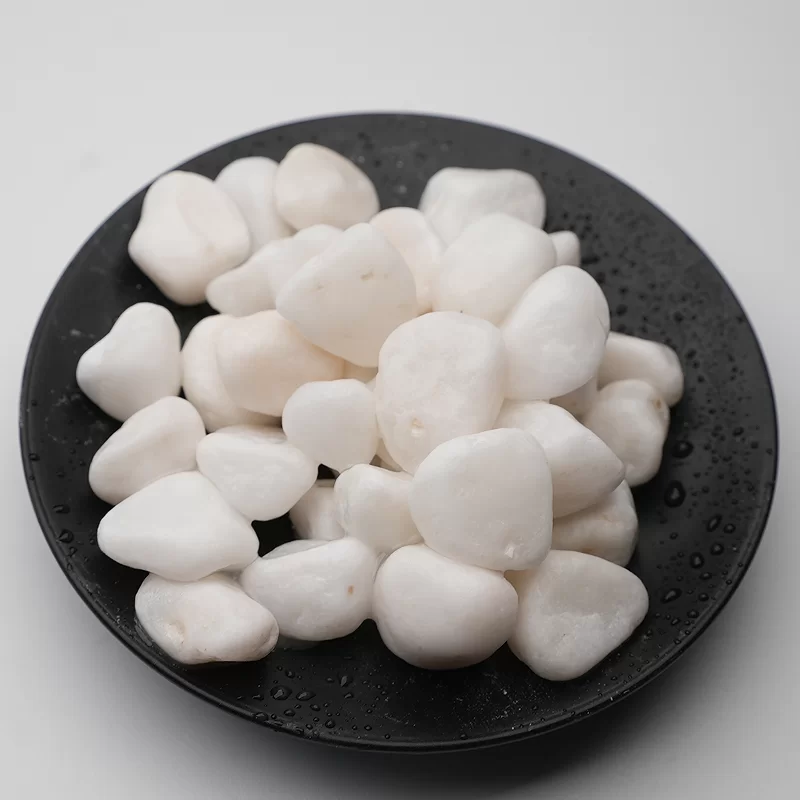
Quartz sand uses are incredibly diverse, spanning from fundamental industrial processes to specialized applications demanding high purity and specific grain sizes. Globally, quartz sand is a critical resource, underpinning the production of glass, ceramics, and increasingly, materials for the renewable energy sector. Understanding its varied applications is vital for resource management, sustainable sourcing, and innovation in material science.
The economic impact of quartz sand uses is substantial, with a multi-billion dollar global market supporting countless industries. Demand is continually influenced by construction trends, technological advancements in electronics, and growing environmental concerns driving the need for alternative materials. Effectively managing this resource is paramount, requiring a balance between economic growth and environmental responsibility.
Beyond economics, accessibility to quality quartz sand impacts infrastructural development and technological progress worldwide. Its role in water filtration, for instance, is critical in providing clean water access in numerous regions. Exploring sustainable and efficient quartz sand uses ensures a positive impact on global quality of life and supports long-term industrial stability.

The Importance of Quartz Sand Uses
The widespread importance of quartz sand uses stems from its unique physical and chemical properties. Its hardness, chemical inertness, and abundance make it ideal for a broad spectrum of applications. From its foundational role in the glass industry to its crucial function in filtration systems, the demand for quartz sand continues to grow alongside global development. quartz sand uses is vital to the modern world.
Understanding the critical role of quartz sand is paramount for businesses and policymakers alike. Supply chain resilience, responsible sourcing, and investment in sustainable alternatives are all crucial for securing a stable future. Without careful consideration, increased demand could lead to environmental concerns and economic instability.
Defining Quartz Sand Uses
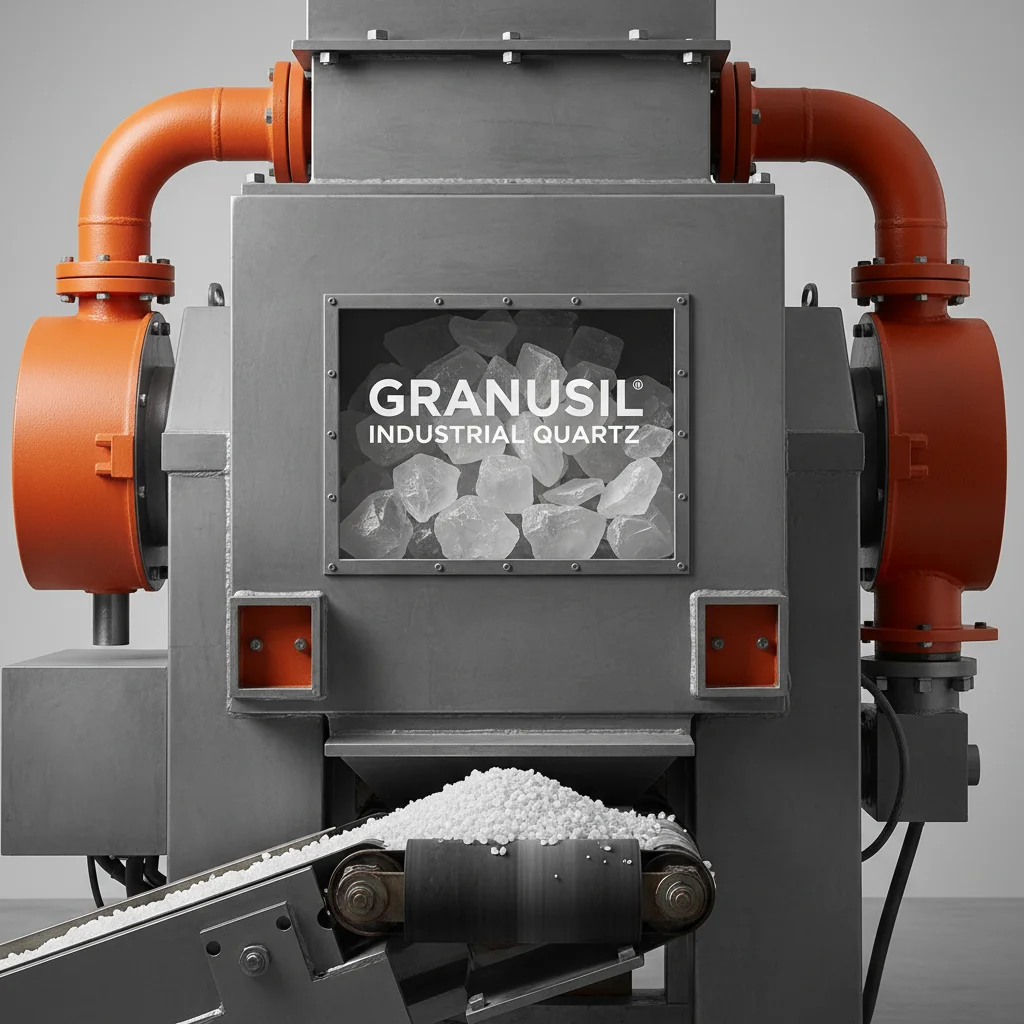
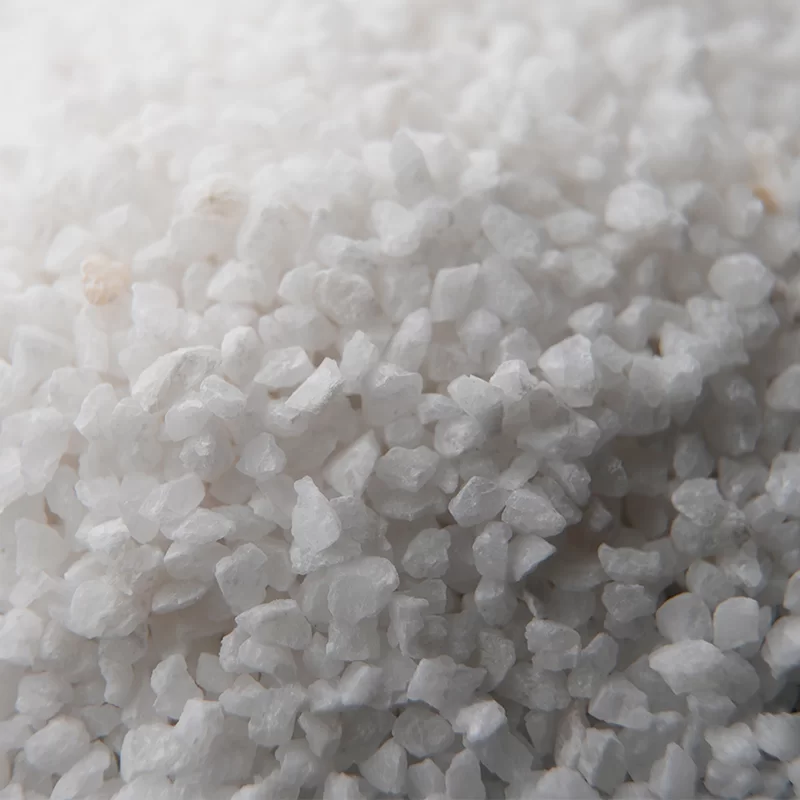
Quartz sand, chemically composed of silicon dioxide (SiO2), is defined by its granular texture and varying grain sizes. Its uses revolve around leveraging these characteristics in numerous industrial and environmental applications. Effectively, quartz sand uses describe the ways in which this naturally occurring material is processed and implemented across diverse sectors.
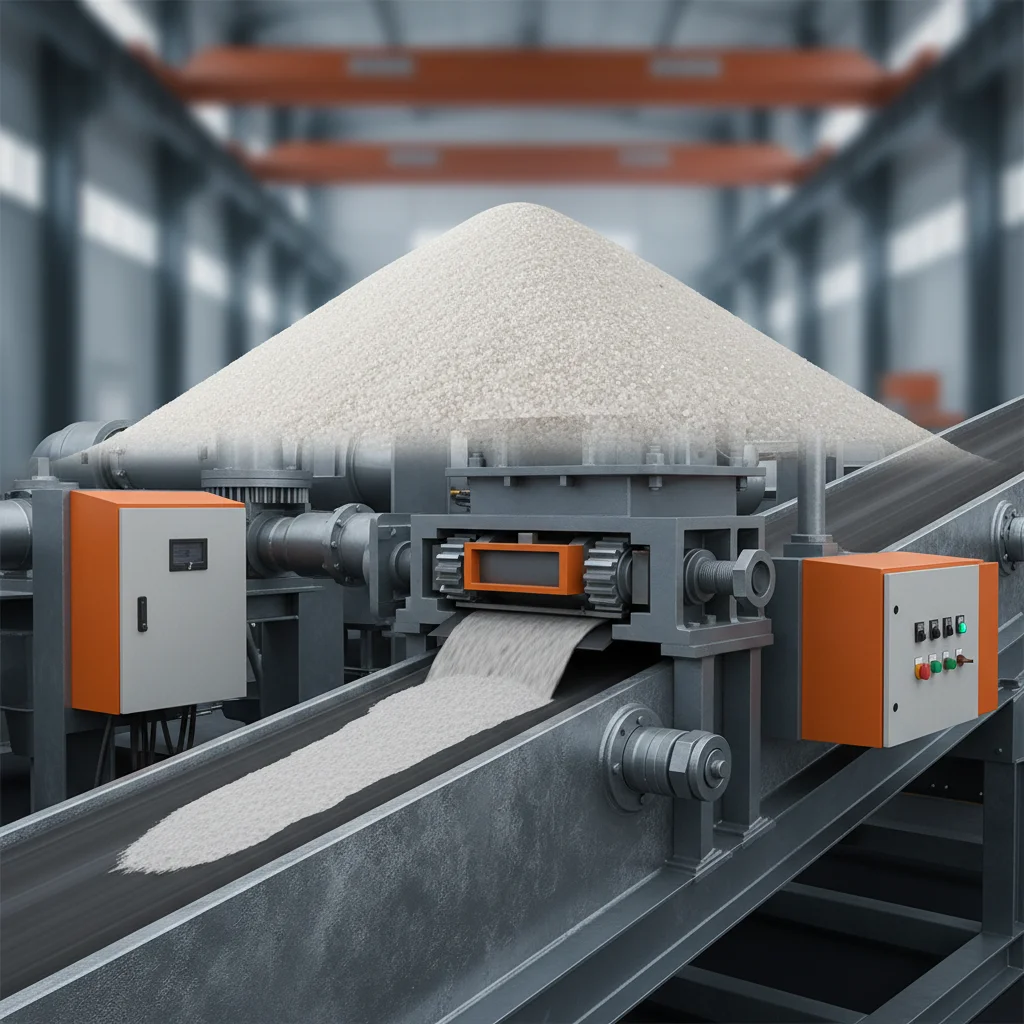
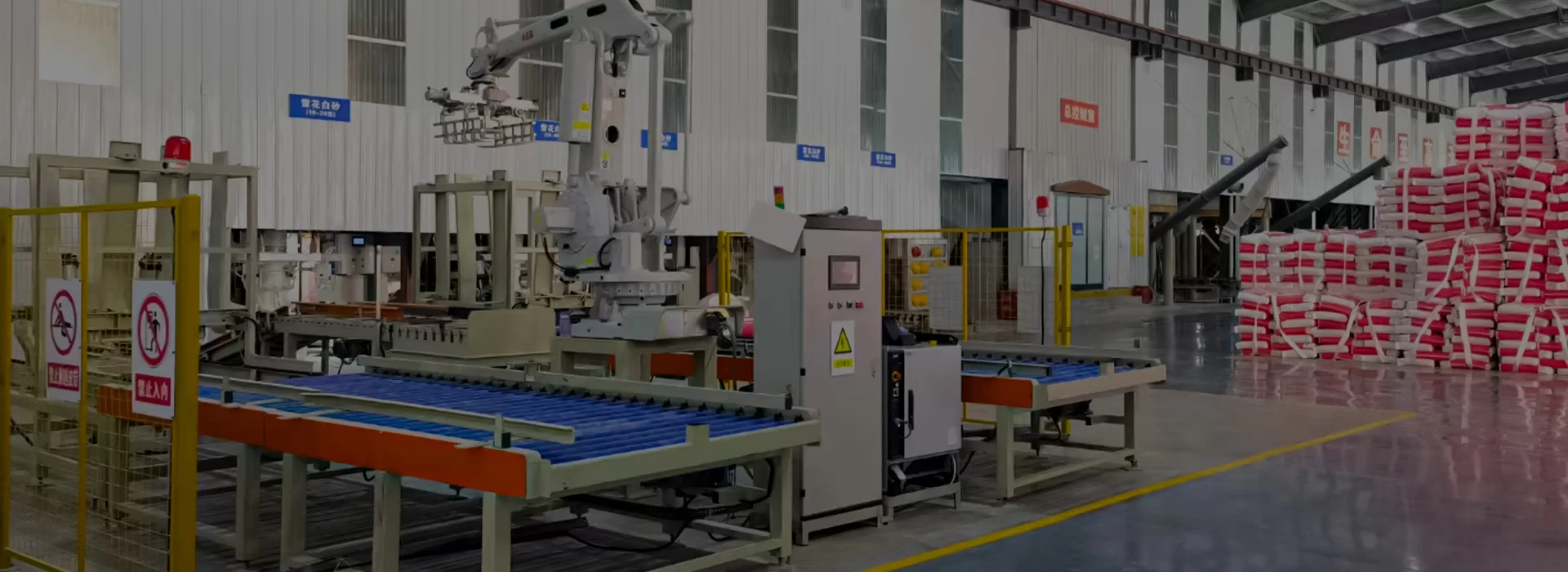
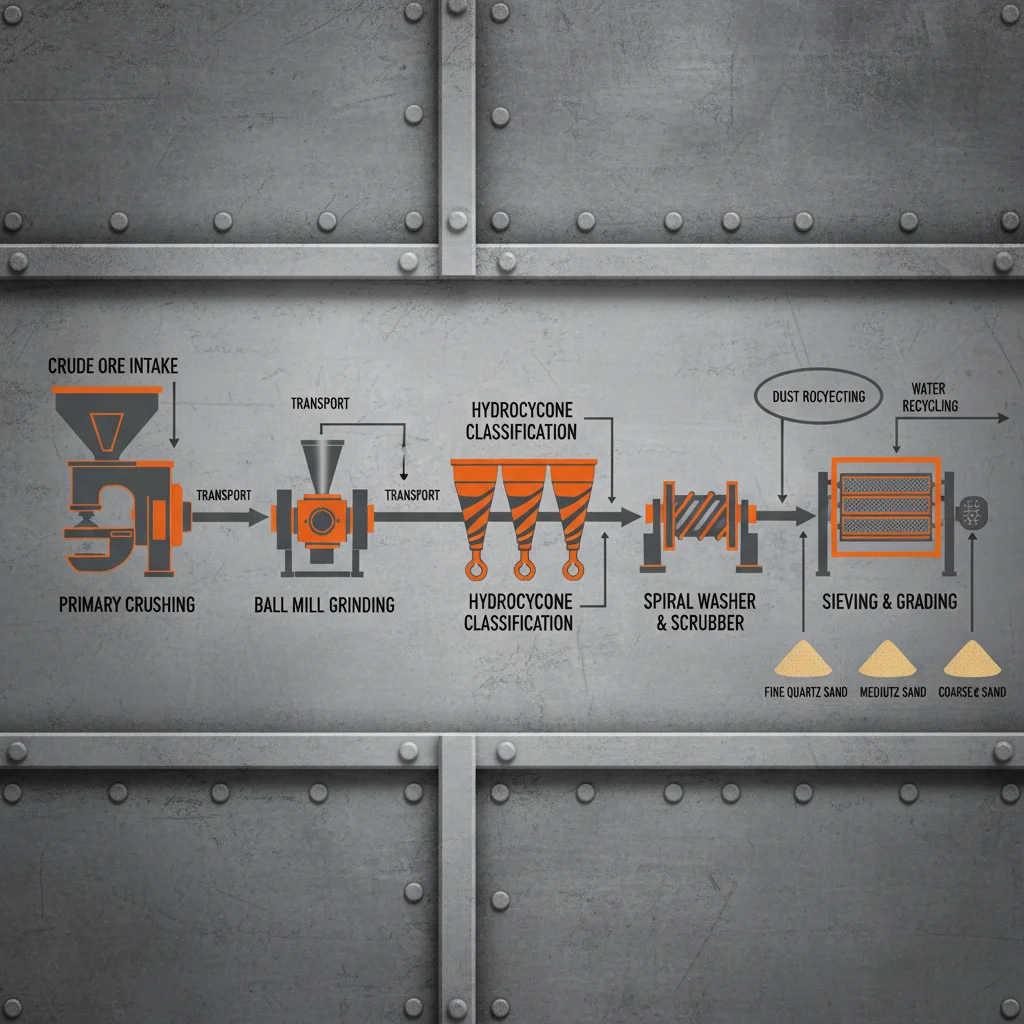
This isn’t simply a matter of digging up sand. The term encompasses everything from the initial extraction and processing – including washing, drying, and grading – to its final application in products like concrete, glass, and high-tech components. The specific characteristics of the sand dictate its suitability for a particular purpose, demanding careful quality control.
The connection to modern industry and humanitarian needs is profound. Beyond being a building block for construction, its uses extend to providing clean water through filtration and enabling the production of essential materials for renewable energy technologies. This makes responsible quartz sand uses a cornerstone of sustainable development.
Key Properties of Quartz Sand
The versatility of quartz sand uses is directly linked to its inherent properties. Its high hardness (7 on the Mohs scale) makes it incredibly durable and resistant to abrasion, essential for applications like abrasive blasting and sandpaper production. This characteristic ensures longevity and cost-effectiveness in demanding environments.
Chemical inertness is another critical factor. Quartz sand doesn't readily react with other substances, making it safe and reliable for applications involving sensitive materials, such as water filtration and the production of specialized chemicals. This stability contributes to the purity and quality of the final products.
Finally, its granular structure and consistent particle size distribution contribute to its excellent flowability and packing density. This is crucial for applications like concrete production, where proper compaction is vital for structural integrity. These properties collectively make quartz sand a uniquely valuable resource.
Global Applications of Quartz Sand
The applications of quartz sand uses are remarkably widespread. The glass industry remains the largest consumer, utilizing it as the primary component in manufacturing everything from windows and bottles to specialized optical fibers. This demand is fueled by construction, packaging, and technological advancements.
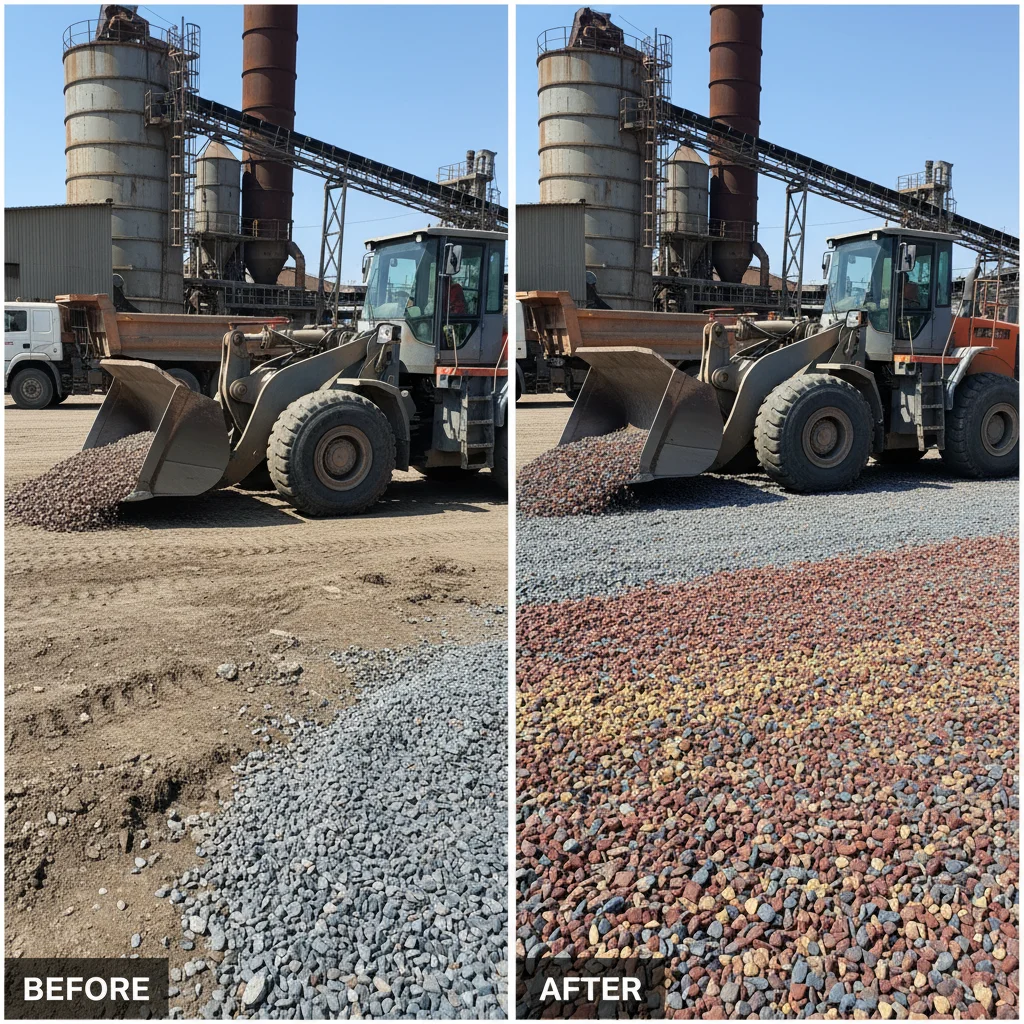
Beyond glass, quartz sand is integral to the construction industry, serving as a key ingredient in concrete and asphalt. In the energy sector, it’s employed in hydraulic fracturing (fracking) to extract oil and gas, and increasingly, in the production of materials for solar panels and wind turbines. Regions with significant oil and gas reserves, such as North America, have historically been major consumers of quartz sand for fracking operations.
Furthermore, quartz sand plays a vital role in water filtration systems, both municipal and industrial. It effectively removes impurities and contaminants, ensuring access to clean and safe water. In post-disaster relief operations, portable filtration systems utilizing quartz sand become crucial for providing potable water to affected communities.
Quartz Sand Uses by Industry Sector
Advantages and Sustainability of Quartz Sand Uses
The primary advantage of quartz sand uses lies in its cost-effectiveness and abundance. Compared to many alternative materials, quartz sand is relatively inexpensive to extract and process, making it an attractive option for large-scale industrial applications. This contributes to lower production costs for a wide range of products.
However, increasing attention is being paid to the sustainability of quartz sand sourcing. Responsible mining practices, including land reclamation and water conservation, are crucial for minimizing environmental impact. The development of alternative materials, such as recycled glass or synthetic silica, also offers promising pathways towards more sustainable quartz sand uses.
Future Trends in Quartz Sand Application
Innovation in material science is driving new and exciting quartz sand uses. Research is focusing on utilizing it in advanced ceramics for high-temperature applications, enhancing the efficiency of solar panels, and developing more sustainable concrete mixtures. These advancements promise to reduce reliance on traditional building materials and improve energy efficiency.
The increasing demand for renewable energy technologies is expected to significantly boost the demand for high-purity quartz sand. Similarly, the growth of the semiconductor industry will require increasingly refined and specialized grades of silica. Adapting to these evolving needs through investment in research and development is essential for maintaining a competitive edge.
Digital transformation and automation in mining and processing operations will also play a crucial role in optimizing efficiency and reducing environmental impact, leading to more responsible quartz sand uses in the future.
Challenges and Solutions in Quartz Sand Sourcing
One significant challenge in quartz sand uses is the depletion of high-quality deposits in certain regions. Over-extraction and inadequate land reclamation practices have led to environmental damage and reduced resource availability. This necessitates a shift towards more sustainable sourcing methods and exploration of alternative materials.
A viable solution involves investing in advanced processing technologies to improve the quality of lower-grade quartz sand, making it suitable for a wider range of applications. Furthermore, promoting the use of recycled materials, such as crushed glass, can reduce the demand for virgin quartz sand and minimize environmental impact.
Collaboration between governments, industry stakeholders, and research institutions is essential for developing and implementing sustainable sourcing practices and fostering innovation in alternative materials, ensuring the long-term viability of quartz sand uses.
Key Metrics for Evaluating Sustainable Quartz Sand Sourcing
| Environmental Impact Score |
Resource Depletion Rate |
Community Engagement Level |
Land Reclamation Effectiveness |
| 7/10 (Moderate Impact) |
5/10 (Moderate Depletion) |
6/10 (Limited Engagement) |
4/10 (Needs Improvement) |
| 9/10 (Low Impact) |
2/10 (Slow Depletion) |
8/10 (Strong Engagement) |
7/10 (Good Effectiveness) |
| 3/10 (High Impact) |
8/10 (Rapid Depletion) |
2/10 (Minimal Engagement) |
1/10 (Poor Effectiveness) |
| 6/10 (Moderate Impact) |
4/10 (Moderate Depletion) |
5/10 (Limited Engagement) |
5/10 (Average Effectiveness) |
| 8/10 (Low Impact) |
3/10 (Slow Depletion) |
7/10 (Good Engagement) |
6/10 (Moderate Effectiveness) |
| 5/10 (Moderate Impact) |
6/10 (Moderate Depletion) |
4/10 (Limited Engagement) |
3/10 (Needs Improvement) |
FAQS
Quartz sand forms the primary component of most glass types, providing the silica needed for glass formation. Different grades of quartz sand are used based on the desired clarity, strength, and chemical resistance of the final glass product. Applications range from everyday container glass to specialized optical fibers and laboratory glassware. The specific grain size distribution and purity levels are critical factors.
Hydraulic fracturing, or fracking, requires large volumes of proppant – typically quartz sand – to keep fractures open in shale formations, allowing oil and gas to flow. The high crush resistance of quartz sand makes it ideal for this purpose. While demand fluctuates with energy prices, fracking remains a significant driver of quartz sand consumption, especially in regions with extensive shale deposits.
Quartz sand mining can have several environmental impacts, including habitat destruction, erosion, and water pollution. Careful land management practices, including reclamation and erosion control measures, are crucial for mitigating these effects. Sustainable sourcing initiatives and the exploration of alternative materials are also essential steps towards reducing the environmental footprint of quartz sand extraction.
Yes, research is ongoing to develop sustainable alternatives to quartz sand. These include using recycled glass as a feedstock, employing manufactured sand (produced by crushing rock), and utilizing alternative materials like olivine sand. While these alternatives may not be suitable for all applications, they offer promising solutions for reducing reliance on virgin quartz sand and minimizing environmental impact.
Grain size distribution is a critical factor in many quartz sand uses. For example, in water filtration, specific grain sizes are needed to effectively remove different types of contaminants. In glassmaking, consistent grain size ensures uniform melting and optimal glass quality. Different applications require tailored grain size distributions, making precise grading and classification essential.
The renewable energy sector is expected to drive significant growth in quartz sand demand. High-purity quartz sand is a crucial component in the production of solar panels, particularly for the silicon wafers that convert sunlight into electricity. Additionally, it's used in the construction of wind turbine blades and other renewable energy infrastructure. As the transition to clean energy accelerates, demand for specialized quartz sand grades will continue to rise.
Conclusion
In conclusion, quartz sand uses are fundamentally interwoven with numerous aspects of modern life, from the glass we use daily to the energy we consume. Its unique properties, combined with its relative abundance, have made it an indispensable resource for countless industries. Understanding the various applications, advantages, and challenges associated with quartz sand uses is essential for informed decision-making and sustainable resource management.
Looking ahead, embracing innovative technologies, investing in sustainable sourcing practices, and exploring alternative materials are crucial for ensuring the long-term availability and responsible utilization of this valuable resource. Further research and collaboration between industry, government, and academia will be key to navigating the evolving landscape of quartz sand uses and securing a future where economic growth and environmental stewardship go hand in hand.