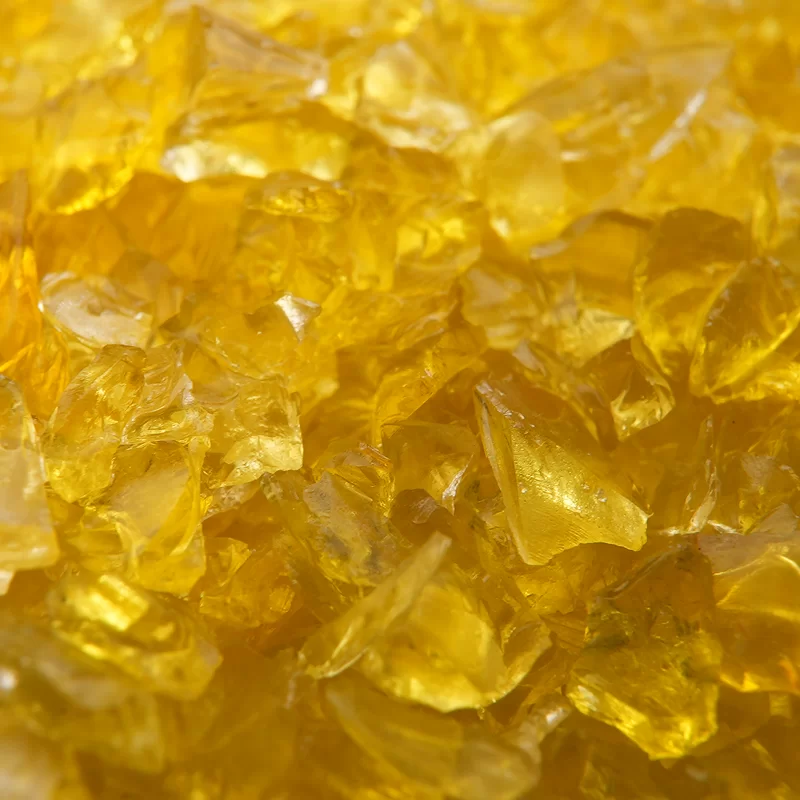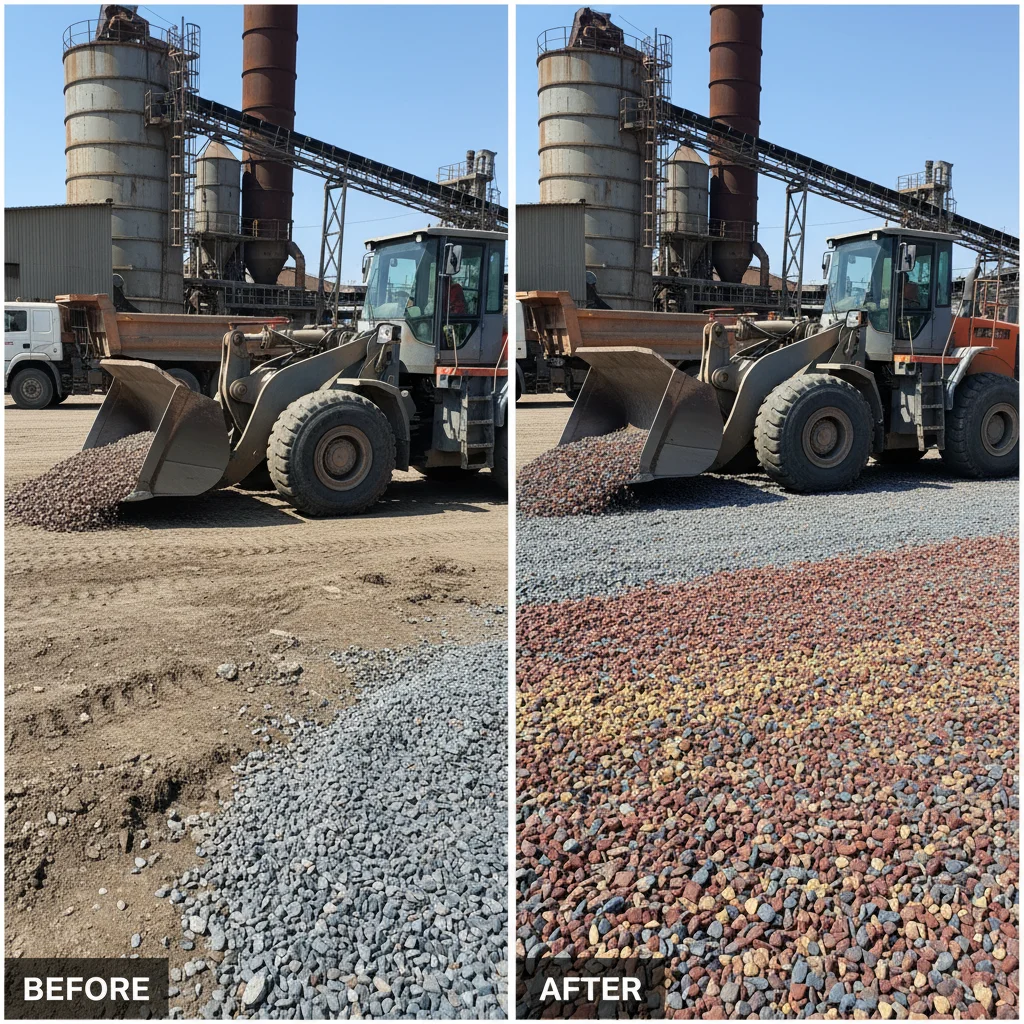

Enhance Your Outdoor Space with Stunning Blue Decorative Landscape Rock
Elevate Your Landscape: A Guide to Blue Decorative Landscape Rock
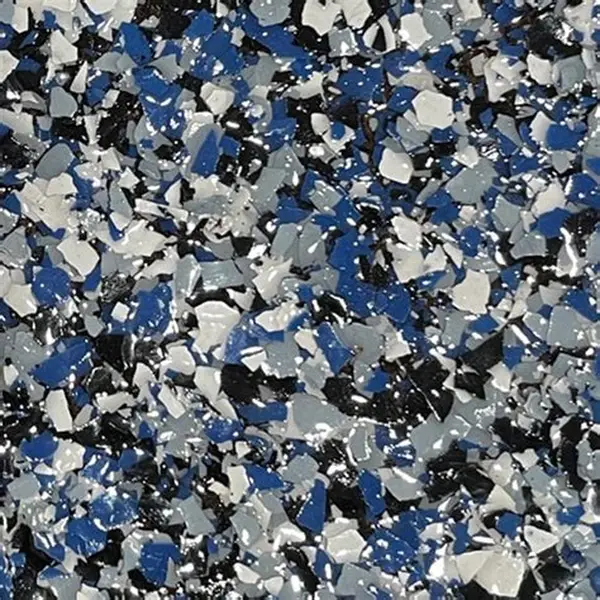
Creating a visually stunning and functional outdoor space often involves thoughtful material choices. Blue decorative landscape rock offers a unique and versatile solution for gardens, walkways, and various landscaping projects. This article will explore the benefits of using blue rock in your outdoor designs, including its aesthetic appeal, practical applications, and how to choose the right type for your needs. Discover how this captivating material can transform your landscape into a breathtaking oasis.

Why Choose Blue Decorative Landscape Rock?
The appeal of blue landscape rock extends beyond its striking color. It's a durable, low-maintenance option that offers numerous benefits. Unlike mulch, rock doesn't decompose, meaning you won't need to replenish it annually. It also effectively suppresses weed growth, reducing the need for herbicides. Furthermore, blue rock provides excellent drainage, preventing waterlogging in garden beds. Its cool tones can even help moderate soil temperature in warmer climates. Choosing blue decorative rock adds a contemporary touch to any landscape design.
Key Benefits: Durable, low-maintenance, suppresses weeds, excellent drainage, moderates soil temperature, and aesthetically pleasing.
Types of Blue Decorative Landscape Rock
Not all blue rock is created equal. Different types vary in shade, texture, and cost. Some common options include:
- Blue Granite: Known for its durability and rich, deep blue color.
- Blue Basalt: A darker, almost charcoal-blue option with a smoother texture.
- Blue River Rock: Rounded and smoothed by water, offering a natural, organic look.
- Blue Quartz: Offers a lighter, more shimmering blue hue.
The best choice depends on your aesthetic preferences and the specific application. Consider the surrounding landscape elements when selecting your rock type.
Choosing the Right Rock:
• Consider the overall landscape style.
• Match the rock's color to existing elements.
• Think about the texture – smooth or jagged.
• Factor in the project's purpose (drainage, aesthetics, etc.).
Blue Decorative Landscape Rock vs. Other Ground Cover Options
When planning your landscape, it's essential to compare different ground cover options. Here's a comparison of blue rock against some common alternatives:
Applications for Blue Decorative Landscape Rock
Blue rock can be used in a variety of landscaping applications, including:
- Garden Beds: Create a striking contrast with colorful plants.
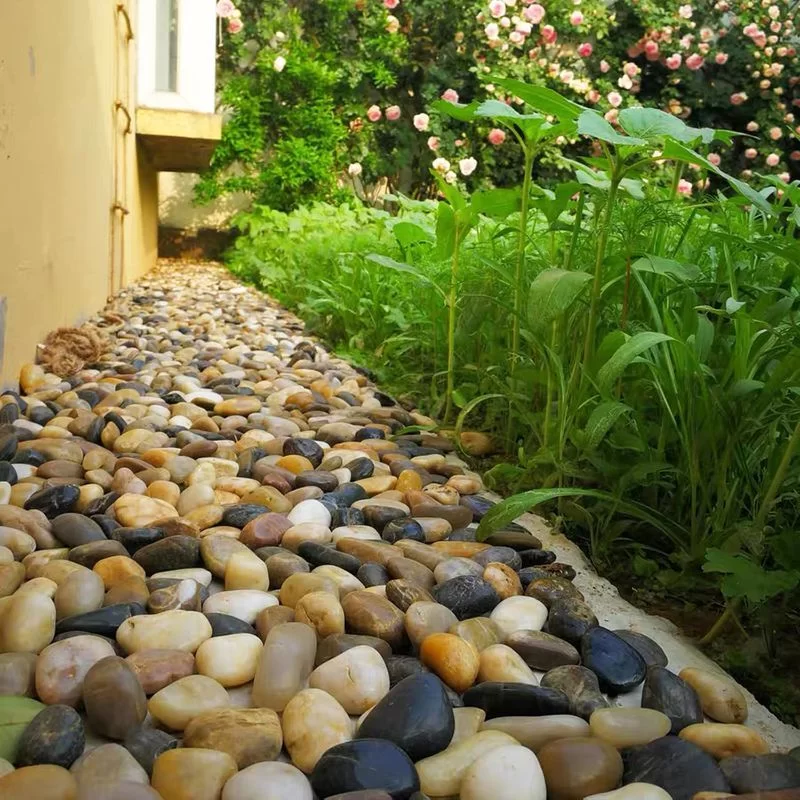
- Walkways & Pathways: Provide a durable and aesthetically pleasing surface.
- Dry Creek Beds: Mimic the look of a natural stream bed.
- Xeriscaping: Ideal for drought-tolerant landscapes.
- Around Trees & Shrubs: Helps retain moisture and suppress weeds.
The possibilities are endless. With a little creativity, you can use blue rock to create a truly unique and inviting outdoor space. Explore the options available at CN Floor Materials today!
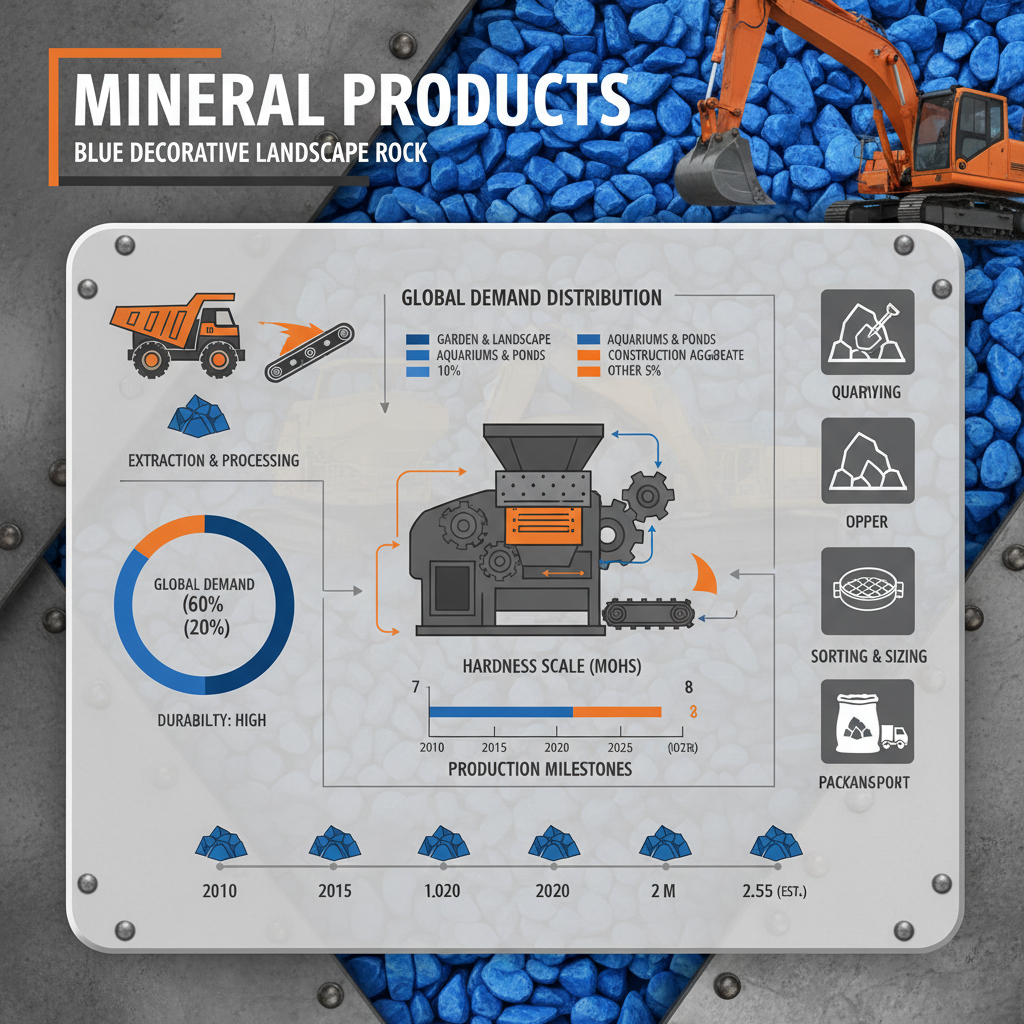
Product Specifications & Ordering Information
Here are some standard specifications for our blue decorative landscape rock. Please contact us for custom sizes or bulk orders.
Conclusion: Transform Your Outdoor Space with Blue Rock
Investing in blue decorative landscape rock is a fantastic way to enhance the beauty and functionality of your outdoor living areas. Its durability, low maintenance, and unique aesthetic appeal make it a worthwhile addition to any landscape project. Browse our selection at CN Floor Materials and start planning your dream landscape today!
Frequently Asked Questions (FAQs)
How much blue rock do I need for my project?
Calculating the amount of blue rock needed requires knowing the area you want to cover and the desired depth. First, measure the length and width of the area in feet. Multiply these measurements to find the square footage. Then, determine the desired depth in inches and divide that number by 12 to convert it to feet. Finally, multiply the square footage by the depth in feet to calculate the cubic feet needed. There are approximately 27 cubic feet in one cubic yard, so divide the cubic feet by 27 to determine the number of cubic yards to order. We can also assist with calculations if you provide us with your project details.
Is blue landscape rock suitable for all climates?
Yes, blue landscape rock is generally suitable for a wide range of climates. Its durability makes it resistant to freezing and thawing cycles in colder regions. In warmer climates, its cool tones can help reflect sunlight and moderate soil temperatures. However, in extremely hot climates, lighter-colored rocks might be preferable to minimize heat absorption. Regardless of climate, proper installation and drainage are crucial for optimal performance.
How do I install blue decorative landscape rock?
Installation is relatively straightforward. Start by clearing the area of debris and weeds. If necessary, excavate to the desired depth. Lay down landscape fabric to prevent weed growth. Finally, pour and spread the blue rock evenly across the area, using a rake to achieve the desired thickness. Consider adding edging to contain the rock and create a clean, defined border.
Does blue rock fade over time?
While the color of blue rock is generally durable, some fading can occur over time due to prolonged exposure to sunlight. The rate of fading depends on the specific rock type and the intensity of sunlight. Choosing a higher-quality rock with deeper pigmentation can help minimize fading. Applying a rock sealant can also help protect the color and enhance its longevity.